






Discover How Chrome Dentures in Mandurah Provide Strength, Stability and Daily Support

Chrome dentures Mandurah services offer a strong alternative for replacing missing teeth, designed to assist with oral function and support long-term dental stability.

Years of experience
0 +
Patients
0 k+

Custom-Made Chrome Dentures for Oral Support and Function

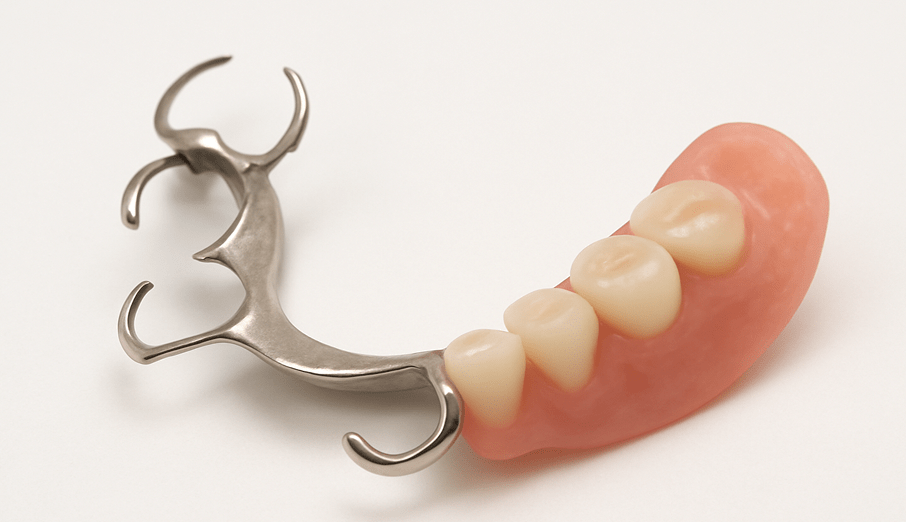
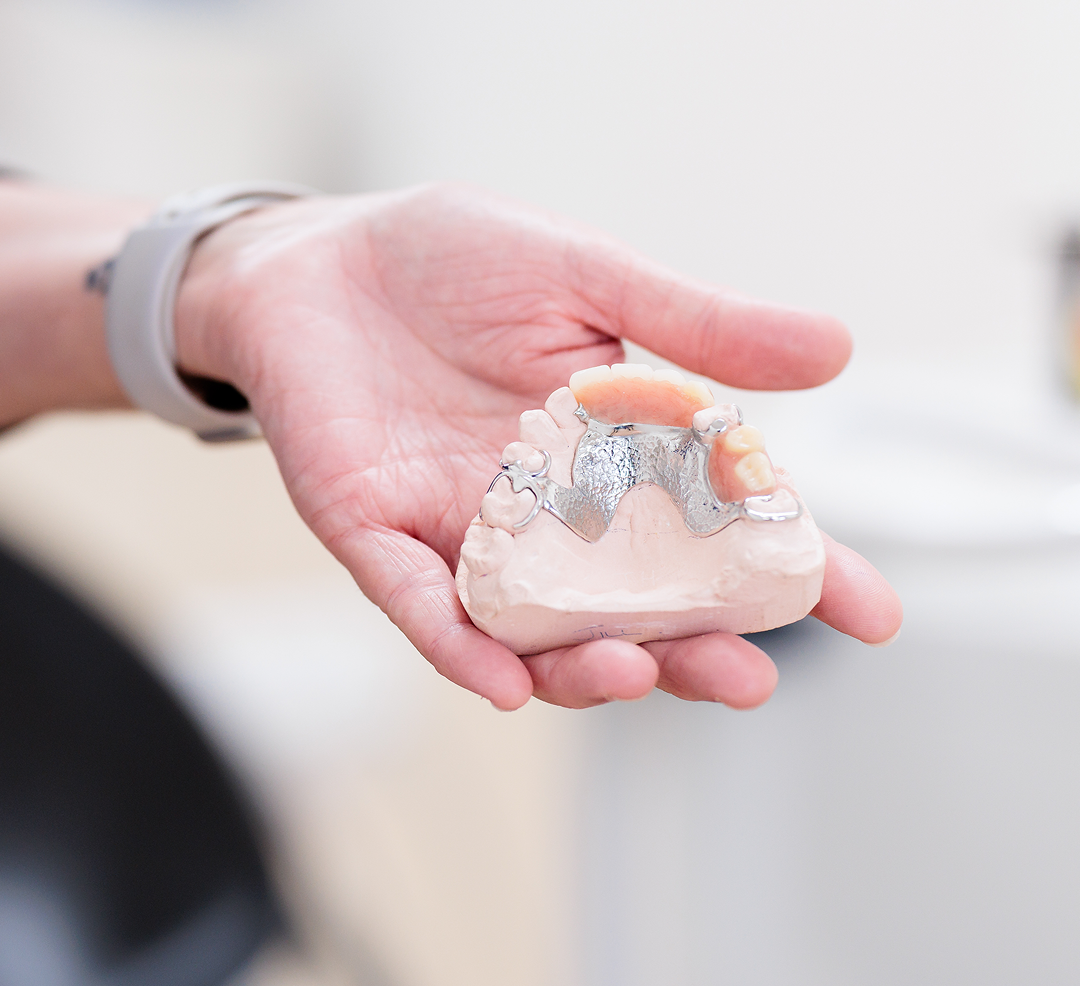
Missing teeth can affect chewing, speech, and the way your face is supported. Without a suitable replacement, these changes may place extra stress on remaining teeth and make daily functions more difficult over time. Cobalt chrome dentures are designed with a lightweight metal framework for strength and accuracy of fit. By distributing bite forces evenly, they can assist with chewing and support facial stability. They also help protect natural teeth from excessive wear. Each denture is custom-made, and ongoing maintenance is important to support long-term comfort and durability.

Are You a Good Candidate for Chrome Dentures?

Chrome dentures may be appropriate for adults who need partial tooth replacement. Suitability depends on oral health, supporting teeth, and treatment goals, which should always be assessed during a professional consultation.

  • Multiple Missing Teeth.
    They may be suitable for replacing several missing teeth while helping remaining natural teeth stay in place and functional.
  • Need Extra Durability.
    Cobalt chrome dentures may suit people seeking a stronger option than acrylic partial dentures for daily chewing and speaking.
  • Healthy Supporting Teeth.
    Candidates often need gums and natural teeth strong enough to anchor the denture securely for function and stability.
  • Previous Denture Wearers.
    They may be considered by patients who want a lighter, thinner partial denture design compared with traditional acrylic models.

What Are the Alternatives to Chrome Dentures?

If chrome dentures are unsuitable, patients may consider alternatives. Options vary in cost, comfort, and durability, and suitability depends on professional advice.

Acrylic Partial Dentures

Acrylic dentures are often chosen as a short- to medium-term option. They are generally cost-effective but may need replacement sooner than metal-based designs due to reduced long-term strength.

Dental Implants with Prosthetic Teeth

Implants replace missing teeth with crowns or bridges attached to surgically placed fixtures. They may provide chewing stability, but this comes with the drawbacks of surgery, higher costs, and strict hygiene.

Flexible Dentures

Made from flexible resin, these dentures may fit closely against the gums for a lightweight feel. However, they can offer less stability and durability compared with cobalt chrome frameworks.

What to Expect During the Chrome Dentures Process

The chrome denture process involves several steps. Each stage is intended to create an accurate fit that supports oral function and comfort while addressing individual dental needs.

Initial Impressions

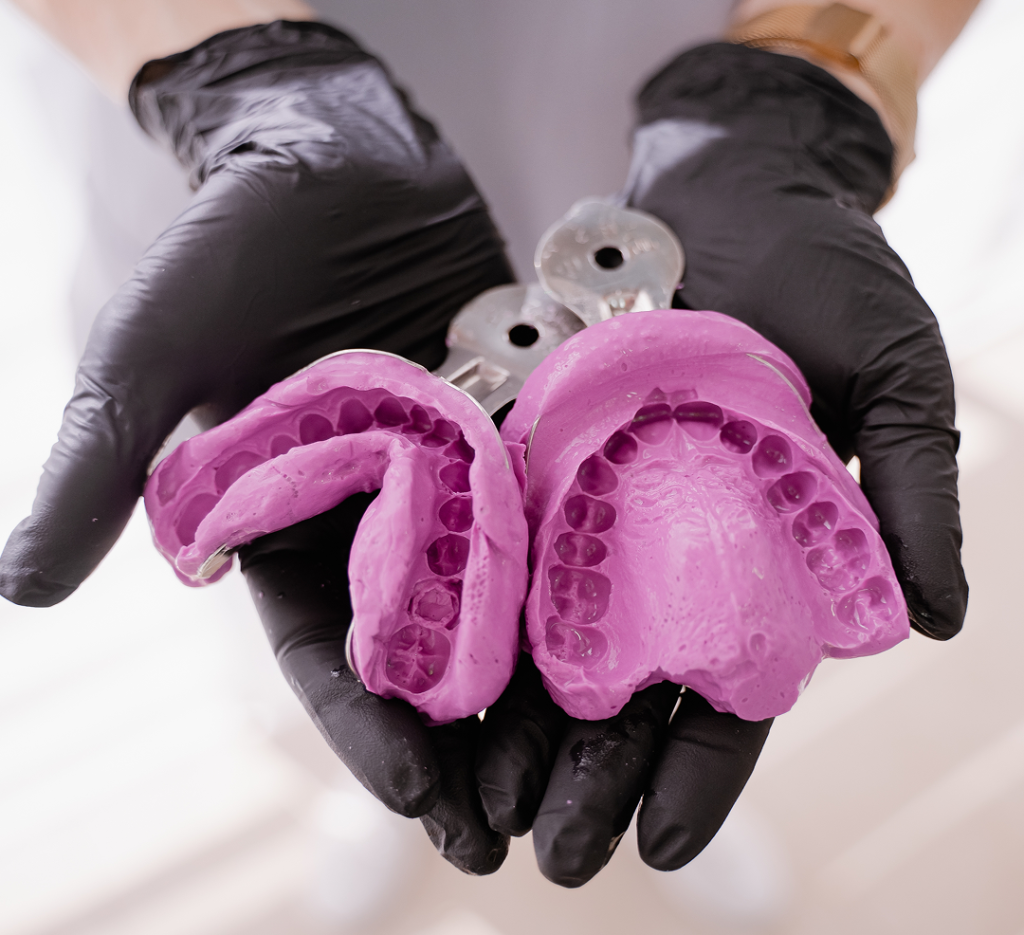
Preliminary moulds of your teeth and gums are taken to guide the denture framework. These impressions form the basis for designing stability, comfort, and accurate adaptation to your mouth.

Detailed Impressions

Refined impressions record precise details of your gums and supporting teeth. This step helps cobalt chrome frameworks achieve accuracy, aiming for a snug fit and comfortable function during use.

Bite Registration

Your bite is carefully recorded using wax blocks or digital methods. This step positions teeth appropriately, helping chrome dentures support balanced chewing, clearer speech, and everyday oral function.

Smile Try-On

A wax version of your chrome denture is fitted to preview bite, appearance, and comfort. Adjustments can be made to the tooth’s size, colour, and positioning before final production. 

Denture Insert

The completed chrome denture is fitted with its lightweight, durable framework. Adjustments focus on comfort and precision, supporting long-term function and oral stability after professional fitting.

Digital scanning is now available (conditions apply), as it will not be something we can do with every case we see.

For further information, please contact our clinic on (08) 9534 4679.

Why Patients Choose Mann Denture Clinic for Personalised Denture Services

Choosing dentures is personal, and so is our approach. Mann Denture Clinic tailors every step of your treatment process to your unique needs, helping you to smile, speak, and live with greater confidence.

Frequently Asked Questions About Chrome Dentures

If you’re considering chrome dentures in Mandurah, you may have questions about their fit, care, and possible advantages. Below are the answers to common enquiries.

Are chrome dentures a good option for partial tooth loss?

Chrome dentures may be considered for replacing several missing teeth, depending on individual oral health and treatment goals. They use a cobalt chrome framework designed for strength and precise fit, which can assist with chewing and speech.

Some studies suggest that metal-based dentures may last longer on average than acrylic alternatives when well maintained, though results vary by patient circumstance.

For patients exploring metal dentures in Mandurah, chrome designs can provide a durable option when assessed as suitable by a dental professional.

The stability of chrome dentures depends on their design and individual fit. A cobalt chrome framework is shaped to follow the natural contours of teeth and gums.

Small clasps or precision attachments may be used to anchor the denture to selected natural teeth. The rigid framework can help reduce flexing, while a balanced bite assists in limiting movement.

With proper fitting and maintenance, these design features may support denture stability during daily activities such as eating and speaking.

Cobalt chrome dentures are generally well tolerated, but like any dental appliance, they may cause side effects, especially during the adjustment period:

  • Initial discomfort:
    Mild soreness or pressure may occur as the mouth adapts. This can sometimes improve with adjustments by your clinician.
  • Gum irritation:
    The framework may rub against soft tissues, leading to temporary irritation that may lessen once the fit is reviewed.
  • Increased salivary production:
    Some people experience extra saliva during adaptation, which may normalise over time.
  • Speech changes:
    A slight lisp or difficulty pronouncing words may occur at first and may improve as patients become accustomed to the denture.
  • Metal taste:
    Rarely, a mild metallic taste may be noticed initially, though this can fade as the mouth adjusts.

Regular check-ups and professional adjustments may help manage these effects and support ongoing comfort.

The lifespan of chrome dentures varies between individuals. Some studies suggest that cobalt chrome dentures, when well-maintained, may last longer on average than acrylic alternatives.

Factors that can influence longevity include:

  • Regular maintenance visits:
    Ongoing check-ups allow adjustments that may support comfort and help prevent damage.
  • Upper and lower arches:
    Wearing dentures in both arches can improve balance and may reduce strain, which could support durability.
  • Type of denture material:
    Cobalt chrome frameworks are designed to be stronger than acrylic, which may contribute to a longer service life.
  • Oral health condition:
    Healthy gums and supporting teeth can help improve denture stability.
  • Patient habits and care:
    Cleaning routines and avoiding excessive bite forces may reduce wear and breakage.

With consistent care and professional support, chrome dentures may provide functional use over several years, but outcomes differ between patients.

Chrome dentures, also known as cobalt chrome dentures, may provide certain features compared with acrylic partial dentures, depending on individual circumstances:

  • Durability:
    The cobalt chrome framework is designed for strength and may be less prone to breakage than acrylic alternatives.
  • Fit and comfort:
    The thinner, rigid design can allow for a more precise fit, which some patients find lighter in the mouth.
  • Stability:
    Clasps and rests are used to distribute chewing forces more evenly, which may help reduce gum pressure.
  • Longevity:
    Some studies suggest cobalt chrome dentures may last longer than acrylic dentures when well maintained.
  • Design size:
    The slim framework can be shaped thinner than acrylic, leaving more tongue space and supporting clearer speech for some users.

These features may make chrome dentures a suitable option for certain patients, though suitability depends on professional assessment and individual needs.

Chrome dentures are constructed from several materials, each contributing to their design and function:

  • Cobalt chrome alloy:
    This forms the lightweight metal framework, which is designed for strength and to resist bending or breaking.
  • Acrylic resin:
    This material creates the gum-coloured base, which supports the artificial teeth and blends with the surrounding tissues.
  • Denture teeth:
    These are made from acrylic or composite resin, and they are shaped and coloured to resemble natural teeth.
  • Metal clasps or precision attachments:
    These components secure the denture to selected natural teeth, which may assist in providing stability.

This combination of materials is intended to support durability, function, and an appearance that integrates with the patient’s mouth.

Chrome dentures are most often used as partial dentures to replace several missing teeth while preserving the patient’s remaining natural teeth.

  • Partial design:
    Chrome dentures are designed to attach to existing teeth, which helps support and stabilise the denture.
  • Full arch replacement:
    While technically possible, chrome frameworks are rarely used for full dentures because their benefits rely on having natural teeth for support.
  • Alternative for full dentures:
    Acrylic-based full dentures are generally recommended when all natural teeth are missing, as they can be made lighter and more adaptable for the gums.

Patients who need a full set of replacement teeth are usually guided towards other denture types, with chrome dentures reserved for partial restorations.

The cost of chrome dentures in Mandurah depends on each patient’s needs and is generally higher than acrylic options due to the cobalt chrome framework.

Several factors influence the total:

  • Number of teeth replaced:
    Larger partial dentures may involve more materials and design work.
  • Framework design:
    More intricate frameworks or clasp systems can affect cost.
  • Pre-treatment needs:
    Extractions, gum treatment, or adjustments to existing teeth may add to the overall cost.
  • Follow-up care:
    Adjustments or relines after fitting may be billed separately.

At Mann Denture Clinic, patients receive a personalised quote following a consultation, with the aim of providing a fee that reflects their oral health and treatment requirements.

The comfort of chrome dentures varies between individuals and depends on oral health, fit, and adjustment. Several design features may help support comfort in daily use:

  • Slim, lightweight design:
    The cobalt chrome framework can be thinner than acrylic, which may leave more room for the tongue and support clearer speech.
  • Stable fit:
    Clasps and rests are used to attach to natural teeth, which can help limit movement during eating and speaking.
  • Even bite distribution:
    Chewing forces are spread across the denture and supporting teeth, which may reduce pressure on gums.
  • Custom shaping:
    Each denture is shaped to fit the patient’s mouth, which may improve adaptation over time.

For patients seeking comfortable partial dentures, chrome designs may be one option considered suitable following professional assessment.

Wearing schedules for dentures can vary. Many people wear them during the day and remove them at night, although recommendations differ depending on individual needs and professional advice.

  • Daytime use:
    Dentures are often worn throughout the day for eating, speaking, and daily activities.
  • Nighttime removal:
    Taking dentures out at night may help reduce gum irritation and allow natural oral tissues to rest.
  • Adaptation period:
    When dentures are new, a clinician may suggest wearing them for longer periods initially to identify areas needing adjustment.
  • Cleaning time:
    Dentures should be removed daily for cleaning to support oral health and freshness.

For anyone wearing a removable partial denture, specific guidance should be provided by a dental professional.

Making Denture Care Affordable with Flexible Payment Options

Payment options include health fund claiming, instalment plans, and approved government programs. Details vary, and eligibility is explained to patients before treatment begins.

We provide a clear treatment quote at your free consultation — no surprises.