




Explore Flexible Dentures in Mandurahs for Durable, Comfortable Tooth Replacement
Mann Denture Clinic offers flexible dentures in Mandurah, providing lightweight, durable tooth replacements designed to support daily oral function.


Secure, Natural-Looking Fit with Flexible Dentures
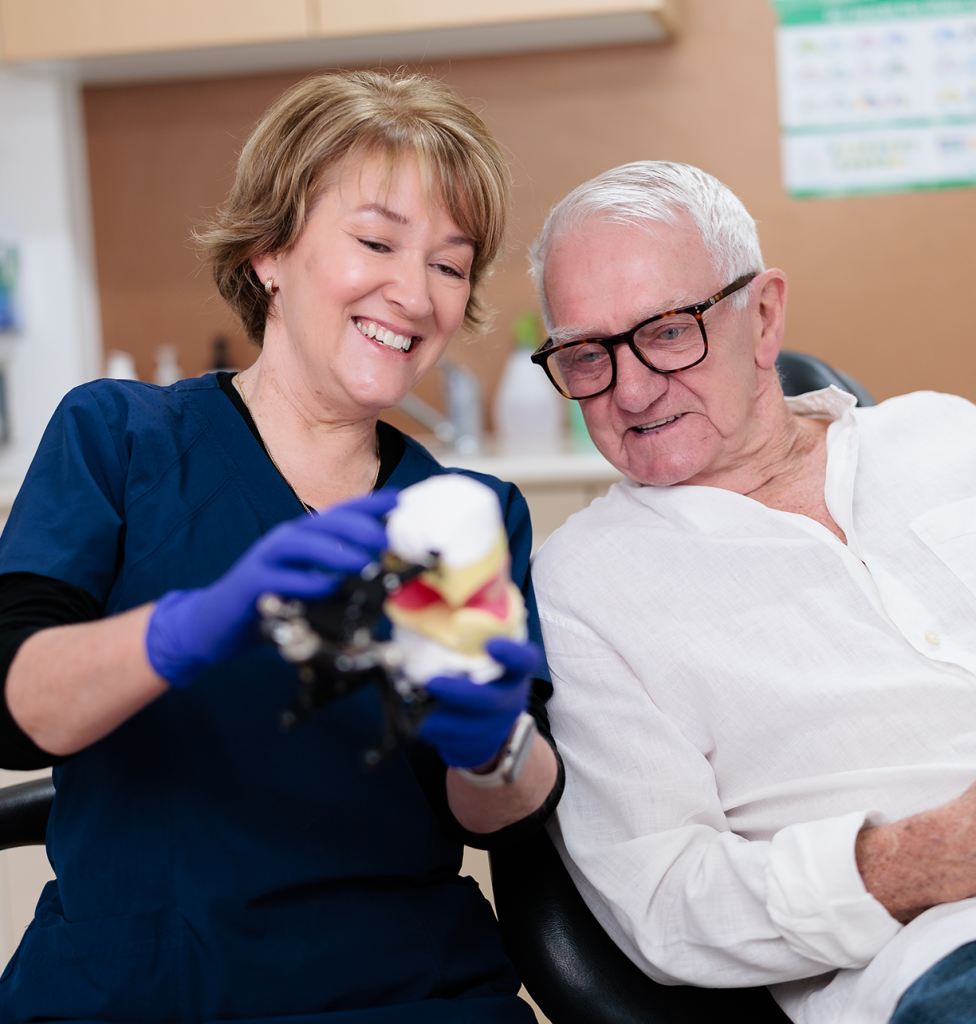
Many people find traditional dentures heavy, rigid, or irritating to the gums. This can affect eating, speaking, and daily oral comfort. Over time, poorly fitting dentures may also impact oral health if not reviewed or adjusted. Flexible dentures are made from lightweight, durable materials that adapt closely to gum contours. They are designed to provide a secure fit, reduce common pressure points, and support natural oral function. Regular check-ups with your dental professional help keep the dentures comfortable and effective over time.
What Makes Someone a Candidate for Flexible Dentures?
Flexible dentures suit many people needing a comfortable, natural-looking tooth replacement. They are especially helpful for patients with specific oral health or fit requirements. This option is designed to support both function and daily oral use.
- Sensitive gums or soft tissue:
Flexible bases may reduce pressure and friction for people who experience gum irritation from rigid dentures. morbi dignissim elit. - Allergies to acrylic or metal:
Flexible dentures are made without common allergenic materials, making them suitable for patients with sensitivities. - Irregular or undercut gum shapes:
Flexible materials adapt to unique gum contours, offering an option when traditional dentures do not fit securely. - Partial tooth loss with visible gaps:
Flexible dentures are designed to replace missing teeth without visible metal clasps, supporting both function and appearance.
Understanding Flexible Denture Alternatives That May Suit You
While flexible dentures suit many people, other options may also be appropriate depending on oral health needs, treatment goals, personal preference, or budget.
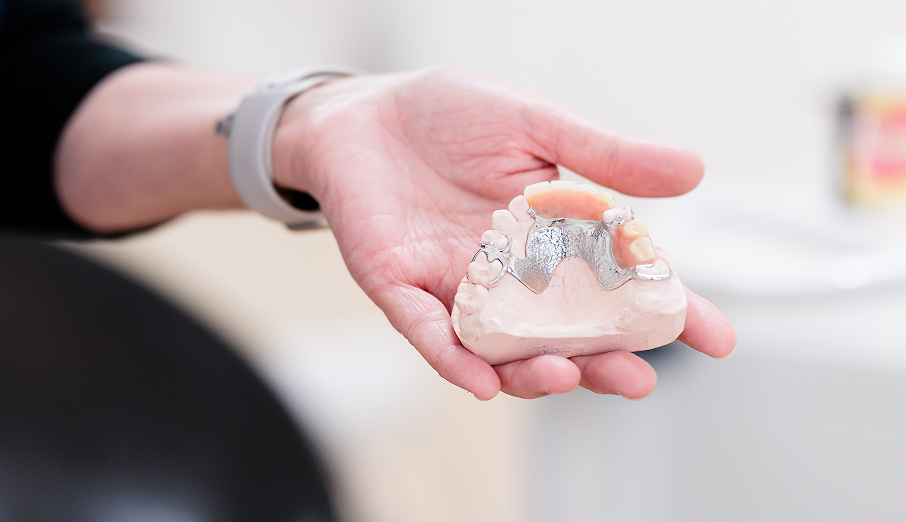
Chrome dentures
These dentures have a strong metal framework for durability and stability. Thinner than acrylic options, they may be a more appropriate longer-term choice for some patients.
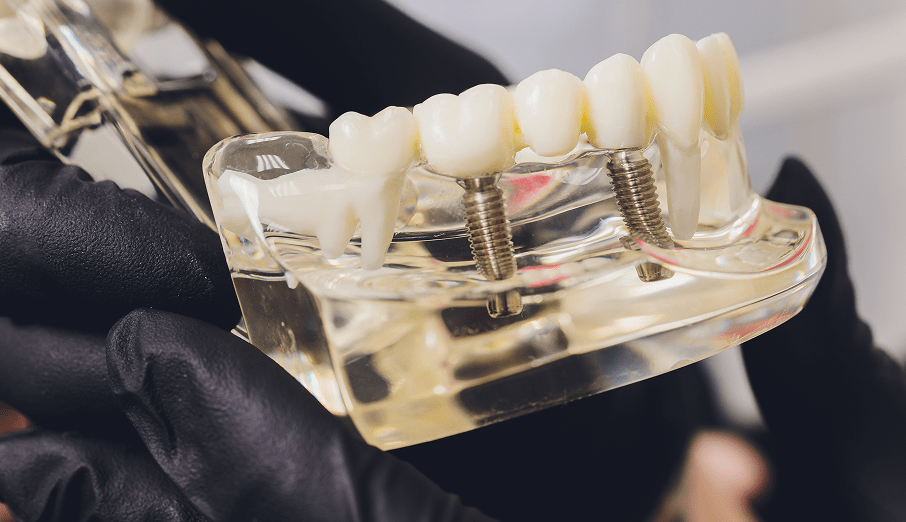
Dental implants
Implants replace missing teeth using posts anchored in the jaw. They may help preserve bone support and are designed to provide stability, though they involve surgery and higher upfront costs.
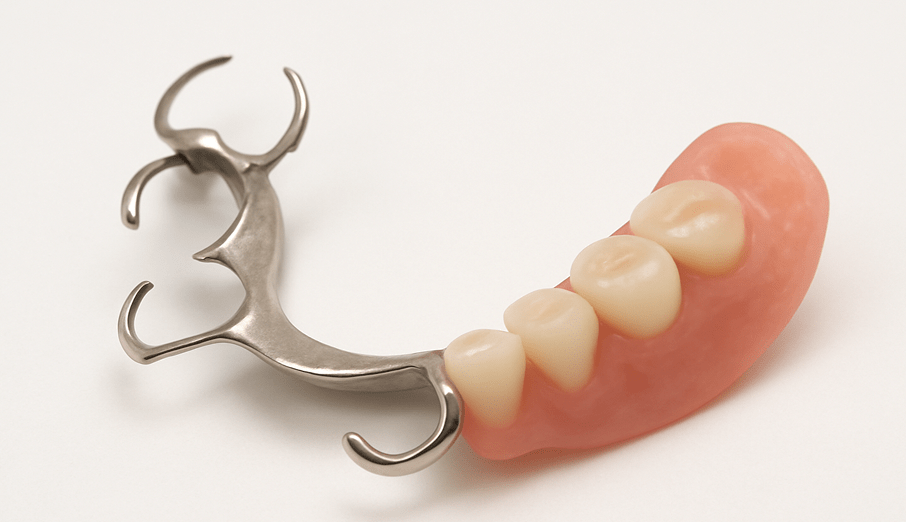
Acrylic Partial Dentures
Made from rigid acrylic, these dentures are often more affordable and easier to adjust. They are suitable for temporary or transitional use.
Your Flexible Denture Journey, From Start to Finish
Initial Moulds
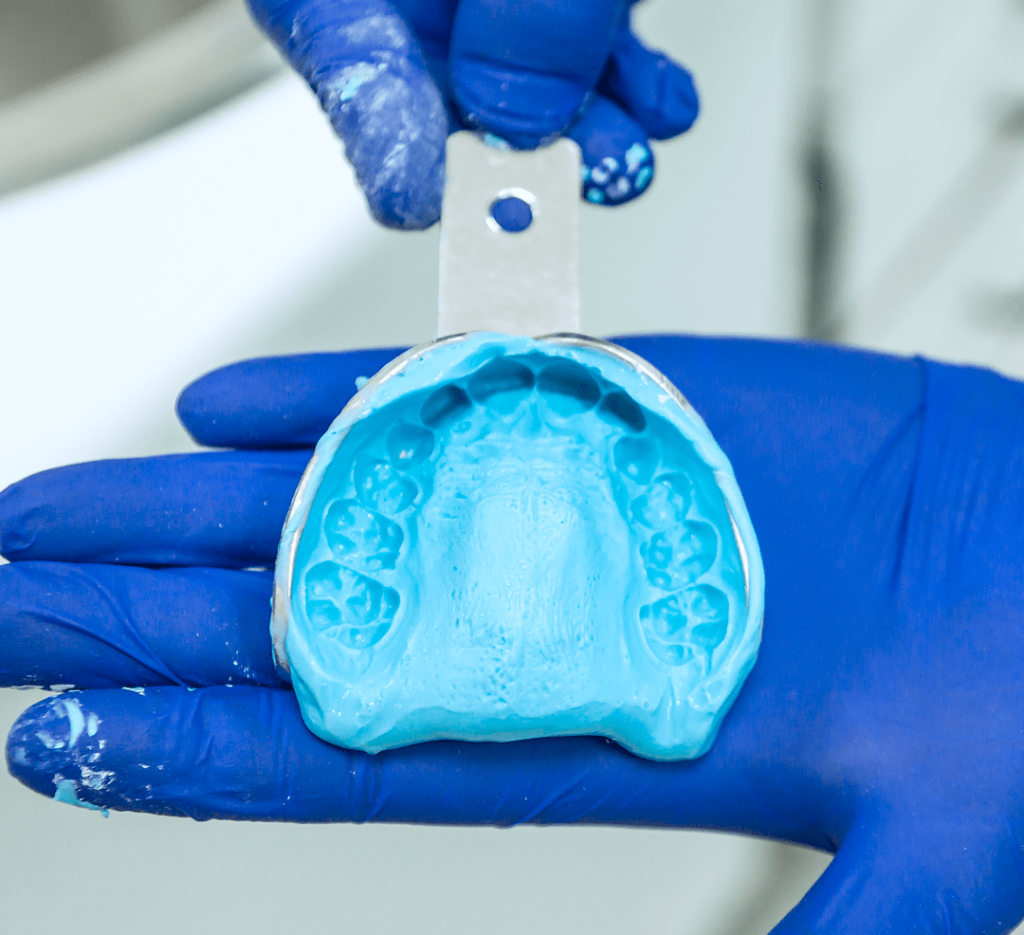
The process begins with preliminary moulds of your teeth and gums. These impressions guide the denture base design, forming the foundation for stability and comfort.
Secondary Impressions
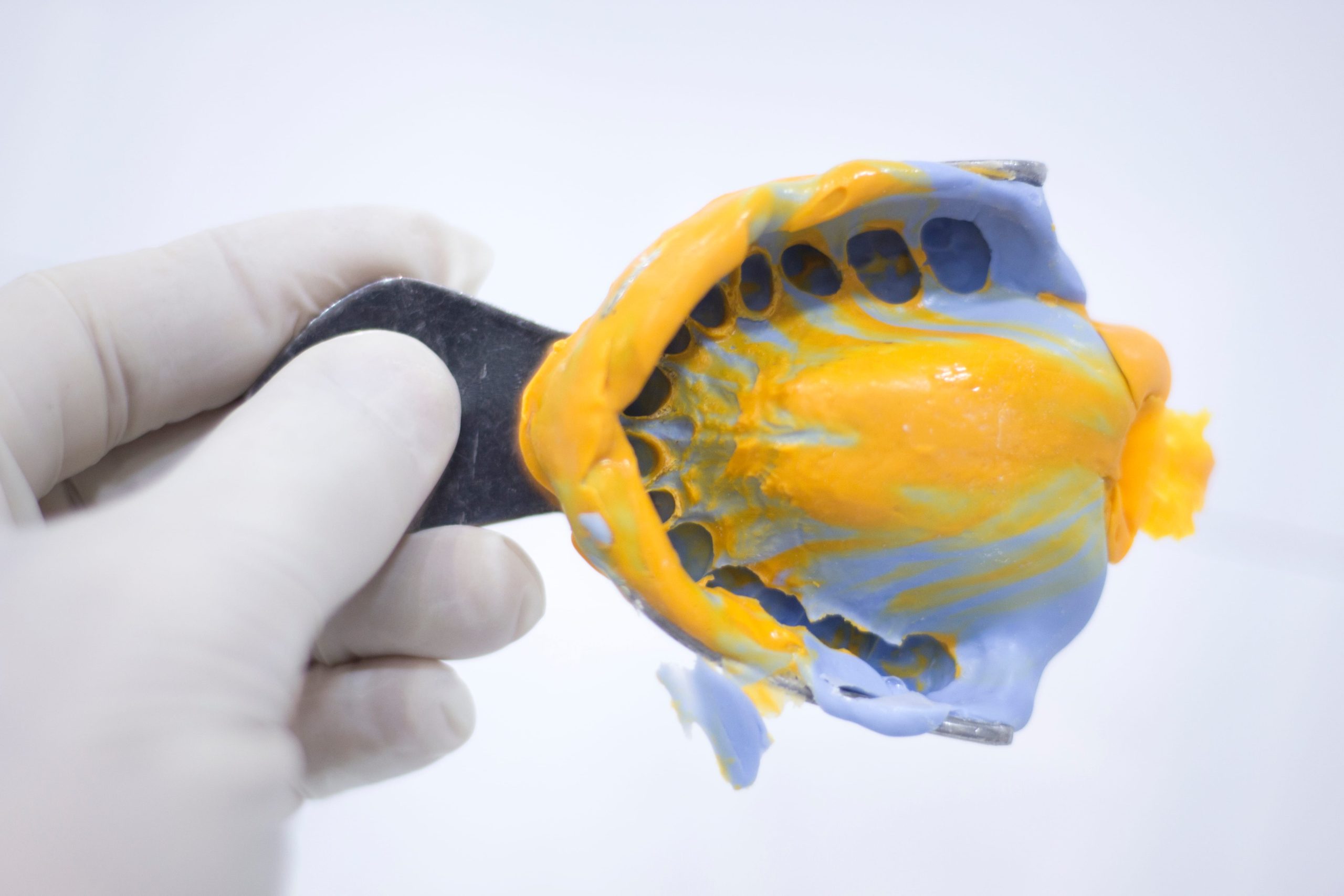
Refined impressions are taken to capture more detailed shapes of your gums and supporting teeth. This step helps create a denture designed to fit securely.
Bite Positioning
Your bite is recorded using wax blocks or digital tools. This stage helps position the teeth so the denture can support chewing and speaking.
Preview Fitting
A try-in version of your flexible denture is placed in your mouth to assess comfort, function, and appearance. Adjustments to shape, colour, or fit are made before final production.
Final Dentures
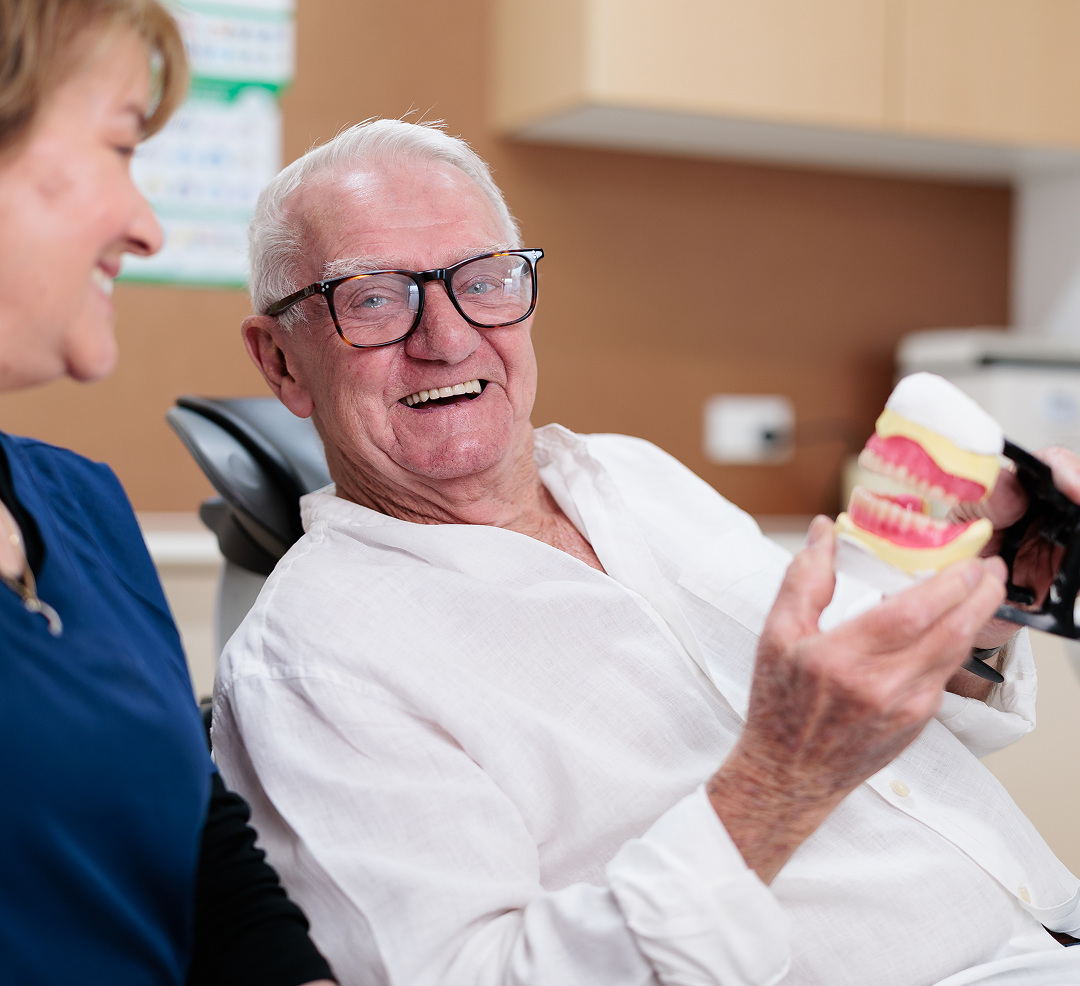
Your completed denture is fitted and adjusted for stability. The lightweight design is intended to resemble natural teeth and may help reduce common pressure points.
Digital scanning is now available (conditions apply), as it will not be something we can do with every case we see.
For further information, please contact our clinic on (08) 9534 4679.
Why Patients Choose Mann Denture Clinic for Personalised Denture Services
Choosing dentures is personal, and so is our approach. Mann Denture Clinic tailors every step of your treatment process to your unique needs, helping you to smile, speak, and live with greater confidence.
On-Site Denture Lab for Faster, More Personalised Care
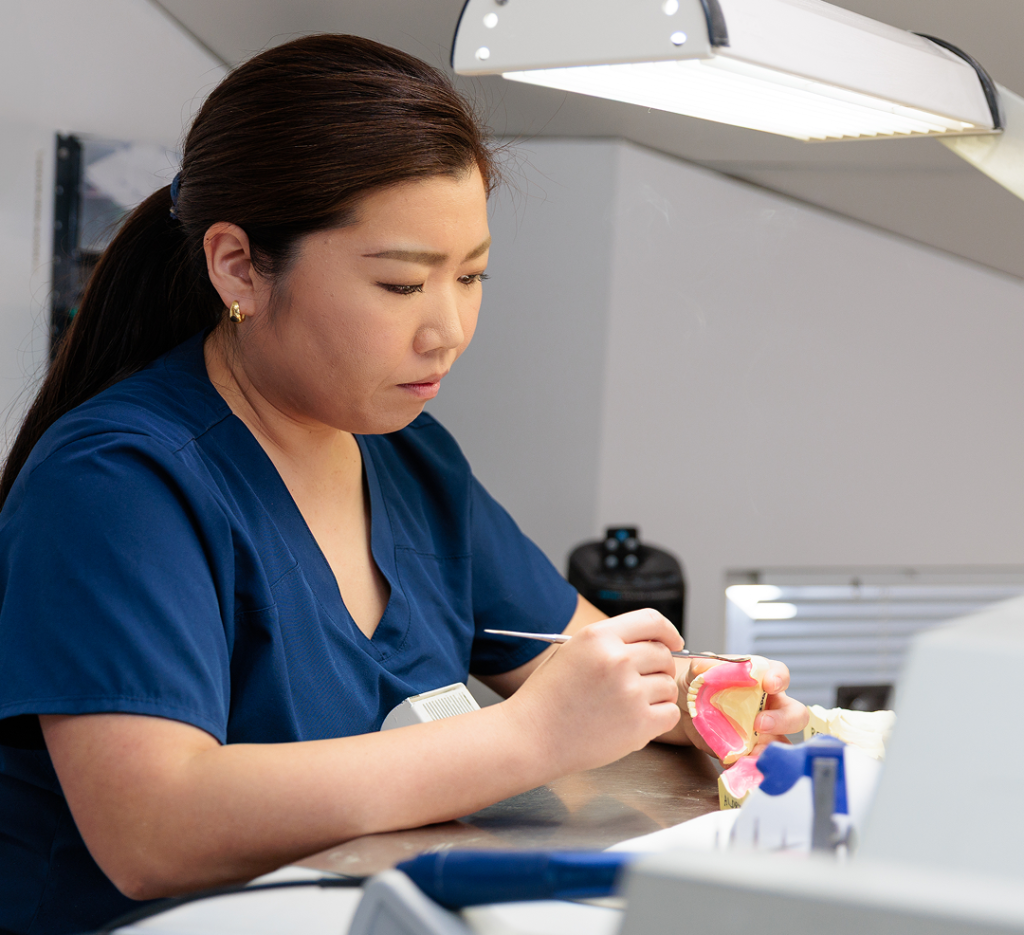
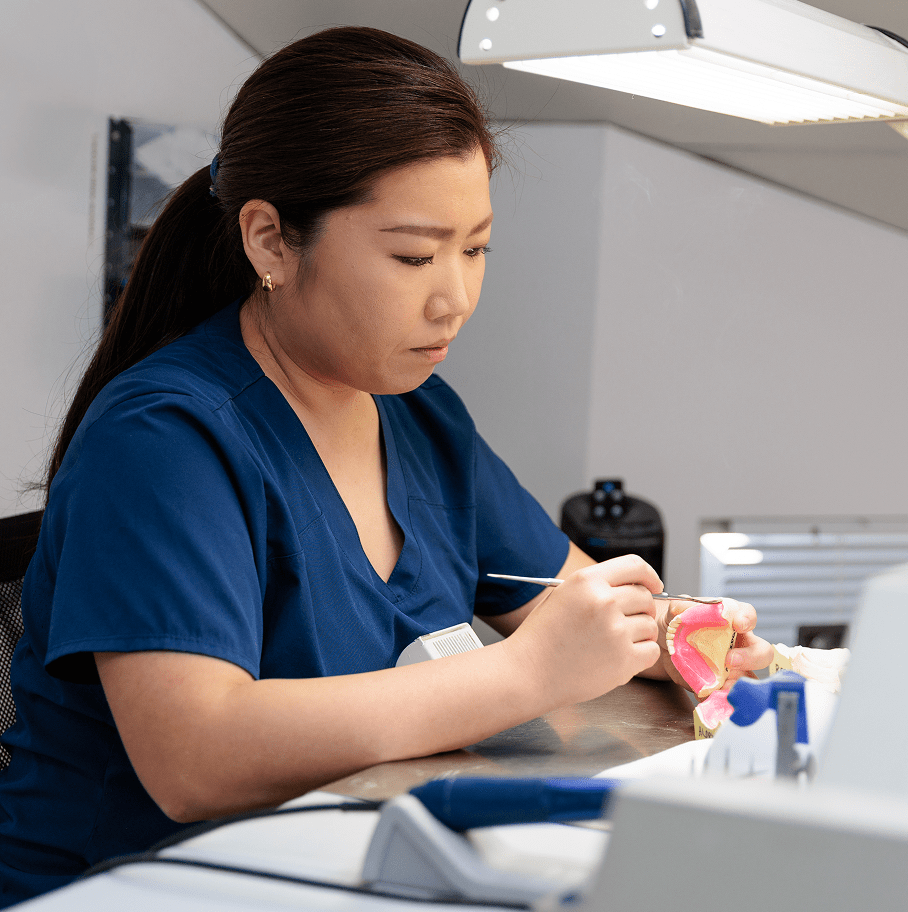
Our on-site laboratory allows us to create, adjust, and maintain your dentures right here in the clinic. There’s no need for lengthy delays or sending work away, which means quicker turnaround times and more control over the quality and fit. You can speak directly with the people who make your dentures, which gives you a more personalised experience from start to finish. If something needs adjusting, we can often do it on the spot, saving you time and extra visits.

Over 20 Years of Experience in Denture Care
With more than 20 years of experience in creating, fitting, and maintaining dentures, we’ve worked with a wide range of needs, preferences, and challenges. This depth of knowledge means we can anticipate potential issues and guide you through the options, as we aim to create dentures that look natural and feel comfortable. Whether you’re getting your first set or replacing an existing pair, you’ll benefit from the skills we’ve refined over years of hands-on care in the community.
Female-Led Local Clinic with a Personal Touch
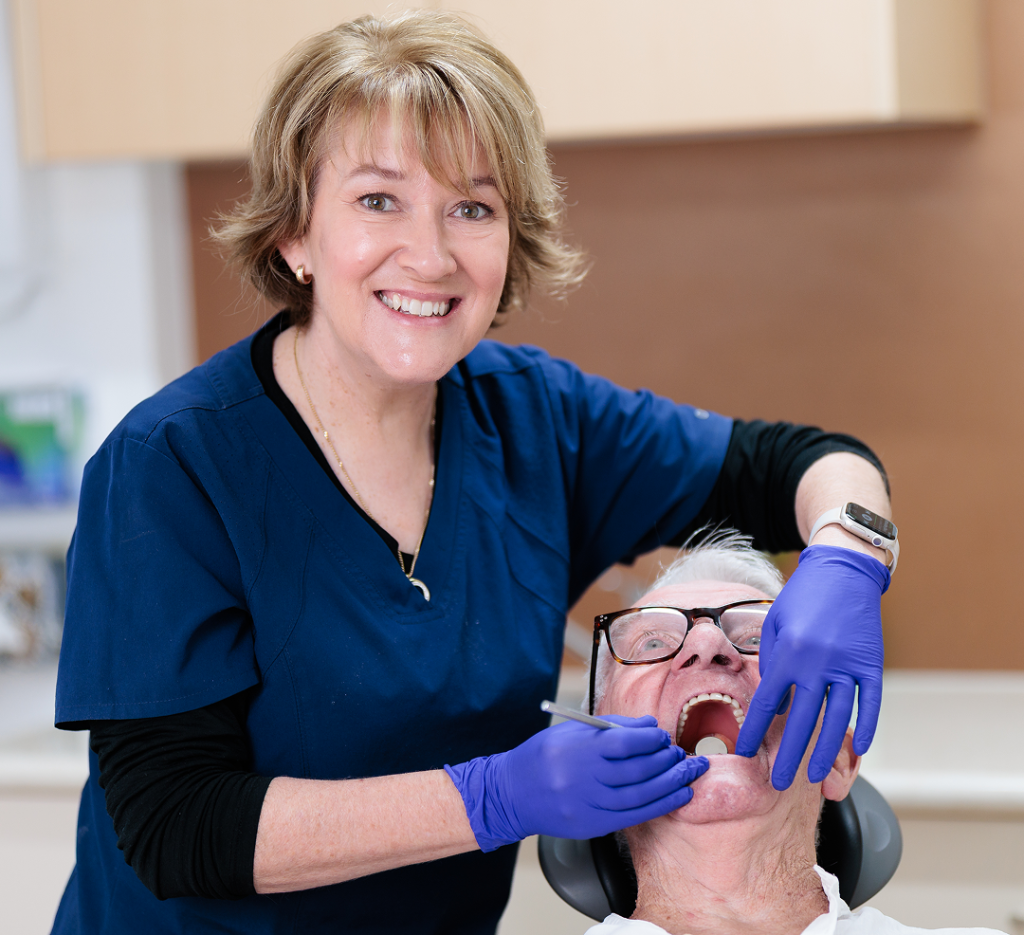
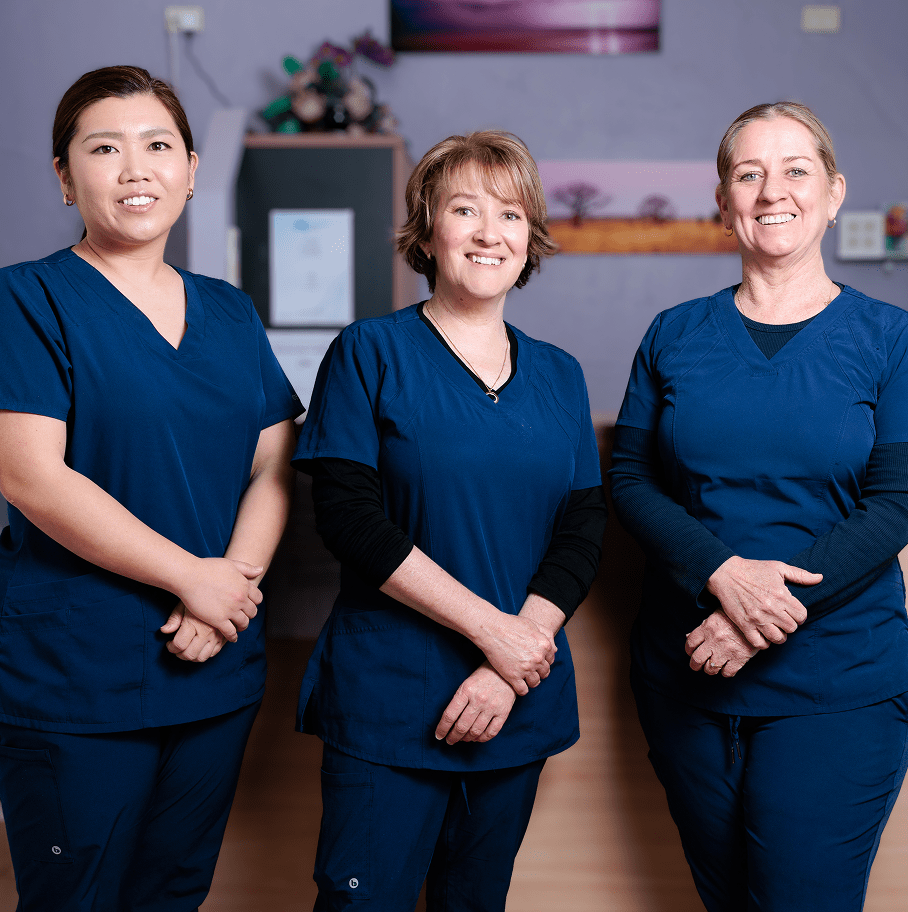
Mann Denture Clinic is proudly female-led and deeply connected to our local community. We understand the importance of listening, empathy, and attention to detail, which shape the way we care for every patient. We provide a friendly, welcoming environment where we listen to your concerns and respect your preferences. Our focus is on building long-term relationships, not just providing a one-off service. We provide continuity of care and look forward to supporting patients through regular maintenance and adjustments.
Proud ADPA and AHPRA Member for Quality Care
We’re committed to providing care that meets professional standards, which is why we maintain membership with both the Australian Dental Prosthetists Association (ADPA) and the Australian Health Practitioner Regulation Agency (AHPRA). This means our work follows strict guidelines, ethical practices, and up-to-date industry knowledge. You can feel comfortable knowing your dentures are made and fitted with both technical skill and professional accountability. This approach provides a standard of care you can trust.

Frequently Asked Questions About Flexible Dentures
Patients often ask about flexible dentures in Mandurah. This section provides general answers about comfort, care, and suitability for informational purposes only.
What is the average lifespan of flexible dentures?
Flexible partial dentures are made from durable polyamide materials. With proper care, they may have a similar lifespan to conventional partials—typically around 5 to 7 years.
Factors that influence lifespan include:
- Material quality and brand:
Different formulations vary in strength, flexibility, and surface smoothness. - Oral hygiene habits:
Daily cleaning helps prevent plaque build-up and staining, preserving denture function. - Changes in mouth shape:
Natural gum and bone changes may loosen the fit, requiring adjustments or replacement. - Frequency and type of use:
Wear occurs from chewing, biting forces, and long-term use. - Handling and storage:
Dropping dentures, heat, or harsh cleaners may cause damage.
Regular dental reviews help maintain comfort and function over time.
Can you eat properly with flexible dentures?
Yes. Flexible dentures, sometimes called soft dentures, are designed to adapt closely to your gums, which may improve comfort and stability while eating compared to rigid dentures.
Like any new denture, there is usually an adjustment period. At first, you may prefer to eat softer foods and cut meals into smaller pieces.
Over time, as you become accustomed to the fit and feel, you can gradually reintroduce a wider variety of foods. Avoiding very hard or sticky items may help prevent damage and prolong the life of your dentures.
Do flexible dentures have metal clasps or plates?
No. Flexible dentures do not have metal clasps or plates. They are made from polyamide (nylon-based) thermoplastic materials, designed to provide a secure fit without visible metal components.
Instead of clasps, flexible dentures use thin, gum-coloured extensions that are intended to blend with the natural tissues in the mouth. This design may be suitable for people with sensitivities to metals and may also help reduce pressure points by adapting closely to gum contours.
How much does a full set of flexible dentures cost?
Removable dentures in Mandurah can cost around $2,800–$4,700 for a full upper and lower set or $1,600–$3,800 for an upper denture only.
Several factors can influence the final cost:
- Material choice:
Different polyamide brands and formulations vary in strength, flexibility, and finish, which can affect price. - Case complexity:
More challenging oral conditions, such as irregular gum shapes or bite issues, may require additional design work. - Number of teeth replaced:
Larger dentures replacing more teeth may need more material and fabrication time. - Preparatory treatments:
Procedures such as extractions or gum treatments before fitting can add to the overall cost. - Laboratory and fabrication methods:
Custom craftsmanship, precision moulding, and detailed finishes may affect pricing. - Aftercare and adjustments:
Some clinics include follow-up visits and minor adjustments in the initial fee, while others charge separately.
Your dentist can provide an accurate quote after a personalised assessment, helping you choose a treatment option that matches your needs and circumstances.
What are the disadvantages of flexible dentures?
While flexible dentures in Mandurah can be a suitable option for many patients, they may not suit everyone. Potential disadvantages include:
- Staining and discolouration:
Polyamide materials may stain from coffee, tea, red wine, or tobacco. - Difficult to modify:
Adjustments or adding teeth can be more complex and may sometimes require a new denture. - Surface roughness:
Some types may have a slightly rougher surface, which can make cleaning more difficult. - Lower rigidity:
The flexibility that adds comfort can also reduce bite strength compared to more rigid bases. - Potential looseness:
Natural gum and bone changes may reduce retention, requiring adjustments or replacement. - Higher initial cost:
Flexible dentures can cost more than standard acrylic dentures due to materials and fabrication methods.
A dental professional can discuss whether flexible dentures are appropriate for your needs and whether comfortable dentures can be achieved in your situation.
Do flexible dentures look natural?
Flexible dentures are made from gum-coloured, translucent materials and do not use visible metal clasps. Instead, the clasps are designed to resemble gum tissue.
Their lightweight design allows them to adapt closely to the gums, which may help them blend with the natural tissues of the mouth.
While these soft dentures are designed to provide a natural-looking option, results may vary depending on colour matching, tooth shape, and construction quality.
How many teeth can you have on a flexible denture?
A flexible denture can replace one tooth, several teeth, or multiple teeth on the same arch. The exact number depends on your mouth’s shape, the location of gaps, and the support from remaining teeth and gums.
Dentists often recommend flexible partial dentures for partial tooth replacement rather than a full set. The flexible base is designed to work alongside your natural teeth and may help support both comfort and oral function. Your dentist can assess your situation and provide a suitable treatment plan.
How do you clean and care for flexible dentures?
Proper cleaning and care may help flexible partial dentures last longer and remain comfortable. Key steps include:
- Rinse after meals:
Remove and rinse your dentures under lukewarm water to wash away food particles and prevent plaque build-up. - Daily brushing:
Use a soft-bristled brush and non-abrasive denture cleanser. Avoid using toothpaste, as it can cause surface scratches and trap stains. - Soak overnight:
Place dentures in water or a denture-soaking solution to keep them hydrated and maintain their shape. - Avoid hot water:
Heat can warp the thermoplastic material, affecting fit and comfort. - Handle with care:
Hold dentures over a folded towel or basin of water to reduce the risk of damage if dropped. - Regular dental check-ups:
Routine visits allow your dentist to check the fit, look for signs of wear, and make adjustments if needed. - Limit staining foods and drinks:
Minimise exposure to coffee, tea, red wine, and tobacco to help maintain their condition and appearance.
Following these steps may help your flexible partial dentures remain functional and comfortable.
Are flexible dentures more comfortable than traditional types?
Flexible dentures may feel different from traditional acrylic or metal types. Factors that can contribute to a more comfortable experience include:
- Softer fit:
The base bends slightly to match the gums, which may reduce rubbing or sore spots. - No metal parts:
Gum-coloured clasps instead of metal may feel gentler. - Lighter feel:
Flexible dentures are often lighter and less bulky. - Eating and speaking:
Their design may support a more natural feel in daily use. - Gentler on gums:
They may cause fewer pressure points on soft tissues.
Comfort can vary for each person. Your dentist can discuss whether flexible dentures are an appropriate option for achieving comfortable dentures.
What material are flexible dentures made from?
Flexible dentures are a type of soft denture made from thermoplastic resin, most commonly polyamide (nylon-based). This material is lightweight, gum-coloured, and contains no metal.
Polyamide resins are designed to bend slightly, allowing the denture to adapt closely to the natural shape of the gums. They are strong enough for daily use, and their flexibility may help reduce pressure points compared to rigid acrylic or metal-based dentures. These features are intended to provide patients with a functional, comfortable denture option.
How do flexible dentures affect oral hygiene?
Flexible dentures may support good oral hygiene if they are cleaned properly each day. Because they fit closely to the gums, food particles and plaque can still collect around and under them. If not removed, this build-up can contribute to gum irritation, bad breath, or other oral health problems.
Daily cleaning, rinsing after meals, and regular dental check-ups are important to maintain both the denture and your oral health. Your dentist can also show you safe cleaning methods for flexible partial dentures without damaging the material.
What happens if a flexible denture cracks or tears?
If a flexible denture cracks or tears, it may need to be replaced. The material is designed to be strong but does not always respond well to major adjustments once damaged.
For people with flexible, removable dentures in Mandurah, it’s important to have any damage checked promptly. Wearing a damaged denture can cause discomfort, affect chewing or speaking, and put extra pressure on the gums.
A dentist can assess the situation and recommend whether repair or replacement is the safest option.
Making Denture Care Affordable with Flexible Payment Options
Payment options include health fund claiming, instalment plans, and approved government programs. Details vary, and eligibility is explained to patients before treatment begins.
HBF
HBF members can claim approved denture services at the clinic through HICAPS on the day of treatment. The amount covered depends on the member’s level of health fund cover. Services that may be included are dentures, relines, or adjustments listed by HBF.
Medibank
Medibank members can claim selected denture services using HICAPS at their appointment. The contribution made depends on the member’s level of health fund cover. Services such as dentures, relines, or adjustments may be included if they are part of Medibank’s approved schedule.

Afterpay
Afterpay is a payment service that divides the total cost into four fortnightly instalments. The first payment is made at the appointment. Terms and conditions are set by Afterpay, and eligibility applies to patients who wish to use this option.
DVA
DVA Gold Card holders may be eligible for denture treatment that is clinically required. White Card holders may qualify if the care relates to an accepted condition. Services provided depend on the Department of Veterans’ Affairs schedule, and some items may need prior approval.
CPDSS
The Country Patients Dental Subsidy Scheme (CPDSS) may assist rural or remote patients with denture treatment. An Authority Form is required, and services must meet WA Country Health rules. Eligible items may include denture fittings, relines, or follow-up appointments within the scheme’s limits.
We provide a clear treatment quote at your free consultation — no surprises.