





Fast, Reliable Same-Day Denture Repairs in Mandurah

Mann Denture Clinic provides denture repairs in Mandurah, with same-day options available. Our goal is to help support comfort and function when breakage or wear occurs.

Years of experience
0 +
Patients
0 k+

How Denture Repairs Work to Restore Comfort and Oral Functionality

Dentures can chip, crack, or become loose from daily use or accidental damage. These changes often make eating, speaking, or smiling feel less natural or comfortable. When small issues are not addressed early, they can lead to irritation, sore spots, or impact the denture’s fit. At Mann Denture Clinic, we begin with a thorough assessment to identify the concern and discuss the most suitable course of action. To support patient needs, Mann Denture Clinic offers same-day denture repair for cases where timely care is appropriate.

Are You a Candidate for Denture Repairs?

Denture repairs may be appropriate when changes in fit, comfort, or appearance occur. A professional assessment at Mann Denture Clinic will help determine the most suitable approach to supporting comfort and function.

  1. Minor chips or surface cracks
    Small fractures or chips can affect comfort or hygiene and may worsen if not assessed by a dental professional.
  2. Loose or ill-fitting dentures
    Changes in fit may cause discomfort, sore spots, or difficulty eating—often indicating the need for adjustment or repair.
  3. Accidental drops or impact damage
    A denture that has been dropped may develop stress points or visible damage, even if it appears mostly intact.
  4. Visible wear or thinning areas
    Gradual material wear can compromise strength, stability, and function, especially in older dentures used daily.

What to Expect During the Denture Repair Process

Understanding the denture repair process can ease anxiety and help you prepare. At Mann Denture Clinic in Mandurah, our team provides professional care to help support comfort and function when repairs are needed.

Damage Assessment

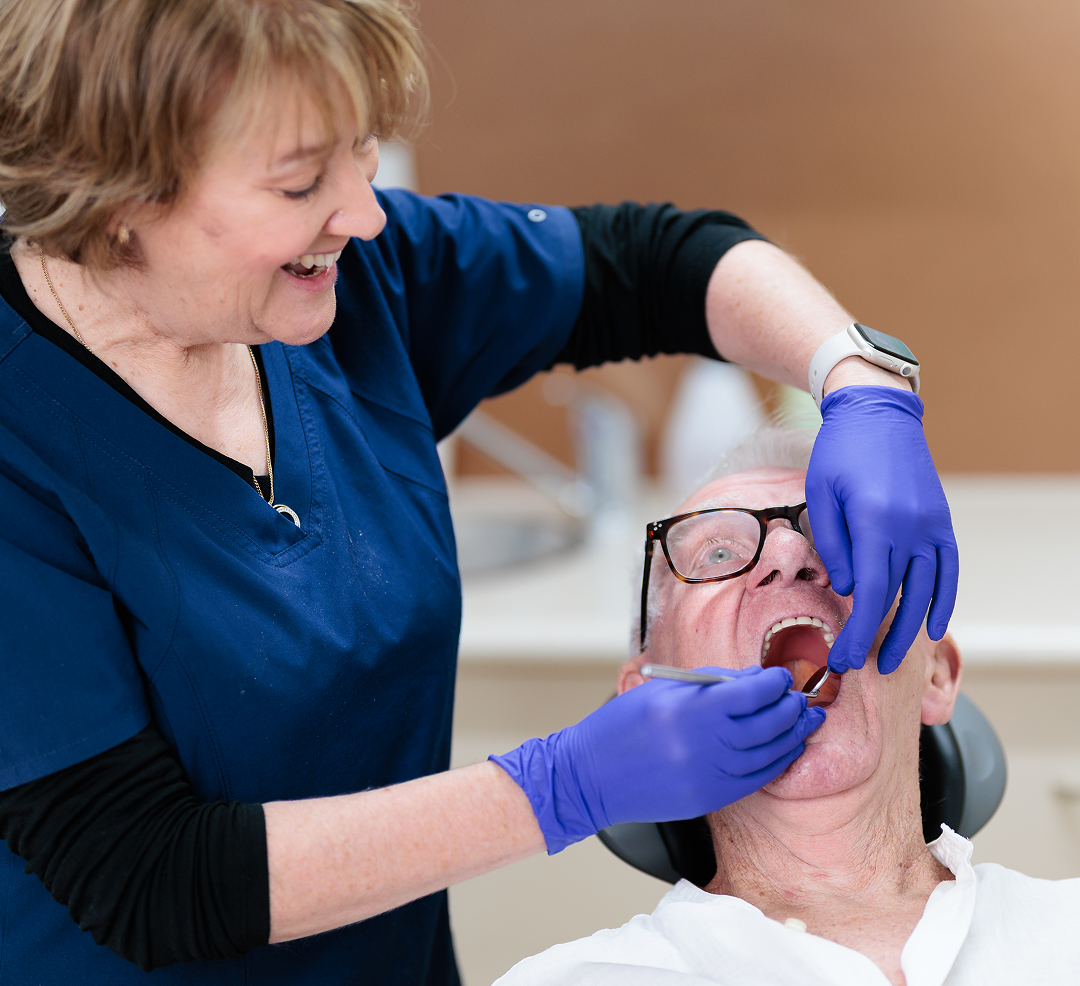
We begin with a careful examination of your denture to identify the type and extent of damage. This allows us to determine the most suitable repair option.

Impression (If Needed)

Some repairs require an impression of your mouth, especially if the fit has changed. For minor issues, this step may not be necessary.

Same-Day Repair

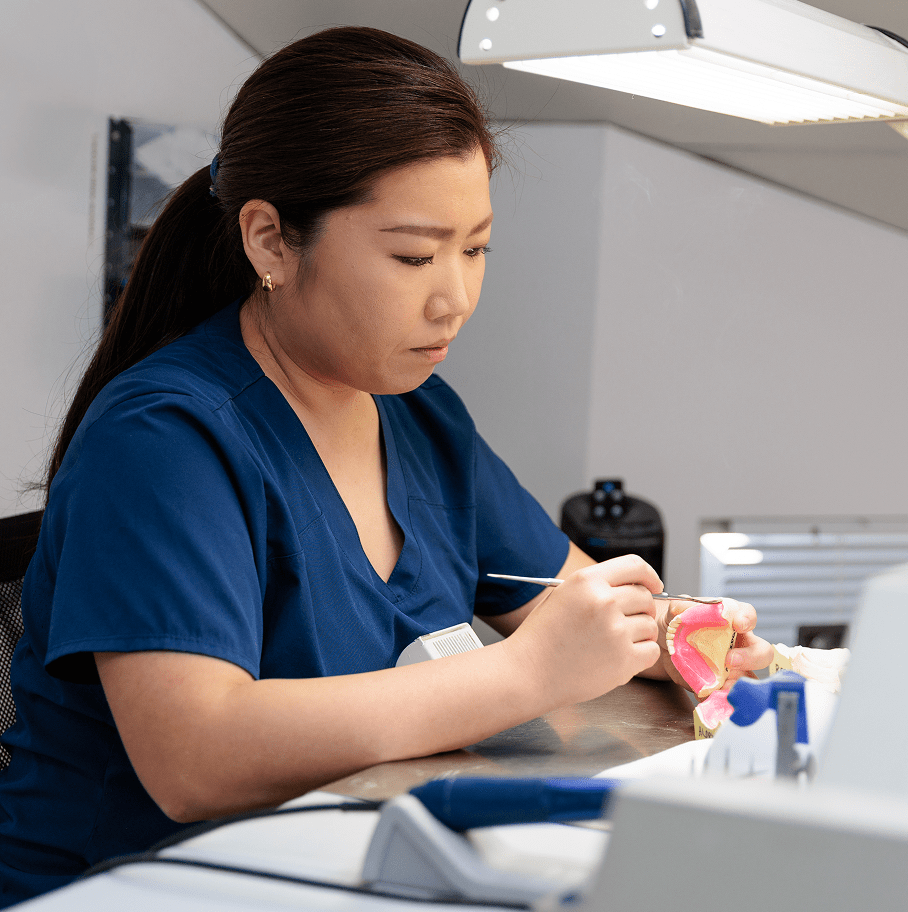
In many cases, repairs can be completed on the same day, depending on the type of damage and appointment availability. This option may assist patients who rely on dentures for daily function.

Digital scanning is now available (conditions apply), as it will not be something we can do with every case we see.

For further information, please contact our clinic on (08) 9534 4679.

Why Patients Trust Mann Denture Clinic Lorem Ipsum Dolor Sit Amet Consectetur

Choosing dentures is personal, and so is our approach. Mann Denture Clinic tailors every step of your treatment process to your unique needs, helping you to smile, speak, and live with greater confidence.

Frequently Asked Questions About Denture Repairs

Find answers to common questions about denture repairs in Mandurah, covering costs, same-day options, and when to seek professional help if dentures break.

Do you offer same-day denture repair service?

Yes. We offer a same-day denture repair service for certain types of damage, such as minor cracks or looseness. This option can be helpful if you rely on your denture for eating, speaking, or daily activities.

Availability depends on the complexity of the repair and appointment times, so contacting us early in the day improves the likelihood of same-day completion. We first examine your denture to confirm the repair is suitable and that it will provide results appropriate for comfort and function.

The cost of denture repairs in Mandurah can vary depending on several factors.

  • Type of repair needed:
    The kind of repair affects the cost. For example, repairing a broken base may be priced differently from replacing or adding a tooth.
  • Extent of the damage:
    The severity of the issue plays a role in determining the fee. A small surface crack usually requires less work than repairing multiple fractures or restoring several areas.
  • Materials required:
    Certain repairs may involve using different materials to restore strength, stability, and appearance. These materials can influence the overall cost.
  • Time needed to complete the repair:
    Repairs that require urgent attention or involve more complex adjustments may take longer, which can increase the price.

Most denture repairs range from $150 to $500, depending on the treatment needed. Final costs are confirmed after assessment and may vary if additional work is required. After examining your denture, we provide a clear estimate before starting any work.

It is not recommended to attempt repairing broken dentures at home. Over-the-counter glues or DIY kits may seem convenient, but they can damage the denture material, create rough surfaces, or alter the fit.

These changes may cause discomfort, irritation, or further damage, which could make future repairs more difficult. Professional dental prosthetists use specific tools and dental-grade materials to restore strength and function to an appropriate standard.

If your denture breaks, arranging a professional assessment allows the repair to be completed under appropriate care and supports ongoing comfort.

Repaired dentures may feel secure and comfortable, but this depends on the type of damage and the condition of the existing denture.

A professional repair focuses on restoring stability and function; however, wear in other areas or changes in the gums can still affect the fit.

In some cases, further adjustments or a reline may be suggested to support comfort. Your dental prosthetist will review the denture and discuss options that may help improve stability.

The choice between repairing or replacing a denture depends on its condition and your needs.

Repair may be appropriate when:

  • Damage is minor, such as a small crack or a loose tooth.
  • The denture still fits reasonably well and remains comfortable.
  • The overall structure is in good condition.

Replacement may be more appropriate when:

  • The denture is old or shows significant wear.
  • It has broken in multiple places.
  • It no longer fits comfortably due to changes in your mouth.

An in-person assessment helps determine whether repair may support comfort and function or whether replacement would be the more appropriate long-term option.

Changes in how your denture feels, looks, or functions can indicate it may need attention. Common signs include:

  • Persistent discomfort or soreness:
    Pain or irritation that doesn’t improve may mean the fit has changed.
  • Difficulty chewing or speaking:
    New challenges with eating or pronunciation can signal wear or damage.
  • Visible cracks or chips:
    Even small defects may worsen with use.
  • Movement when in place:
    A denture that shifts can affect both comfort and function.
  • Stains or rough surfaces:
    These can make cleaning harder and impact oral hygiene.

If you notice these changes, a professional assessment may help identify concerns and guide the most appropriate next steps.

Relining and repairing serve different purposes. Below are the main aspects compared:

  1. Purpose
    • Relining:
      Relining is used to improve the fit of a denture when the gums or jawbone have changed.
    • Repairing:
      Repairing is used to address structural damage such as cracks, breaks, or loose teeth.
  2. Process
    • Relining:
      Relining involves adding new material to the fitting surface of the denture.
    • Repairing:
      Repairing involves joining, rebuilding, or replacing damaged sections of the denture.
  3. Effect on appearance
    • Relining:
      Relining does not change the visible teeth or outer surfaces of the denture.
    • Repairing:
      Repairing may restore the appearance of the denture if the damage has affected visible areas.
  4. Who performs it
    • Relining:
      Relining is completed by a dental professional, usually a dental prosthetist.
    • Repairing:
      Repairing is also carried out by a dental professional using professional tools and dental-grade materials.
  5. When it may be recommended
    • Relining:
      Relining may be appropriate when dentures feel loose or no longer fit properly due to gum or bone changes.
    • Repairing:
      Repairing may be appropriate when physical damage, such as fractures, chips, or breaks, is present.
  6. Professional guidance
    • Relining and repairing:
      In both cases, a dental prosthetist will assess the denture and advise whether relining or repair is the most appropriate option for the situation.

Relining and repairing are different but complementary services. A professional assessment helps determine the most suitable option to support the ongoing comfort, function, and durability of your denture.

A small crack in a denture may seem harmless, but it can grow larger over time with regular use.

As the crack worsens, it can weaken the structure, affect the fit, and cause discomfort when eating or speaking. Cracks can also trap food and bacteria, which may negatively affect oral hygiene.

If the damage becomes more severe, a simple repair may no longer be possible, and replacement could be required.

Only trained dental professionals know how to repair a cracked denture. They use dental-grade materials and proper techniques to restore its strength and function to an appropriate standard.

Dental clinics follow a step-by-step process to repair broken dentures using appropriate tools and materials.

  1. Assessment:
    The denture is examined to check the extent of the damage and the overall condition.
  2. Cleaning and preparation:
    The damaged areas are cleaned, and the surfaces are prepared for bonding or rebuilding.
  3. Repair work:
    The break or crack is joined or rebuilt using dental-grade acrylic or other appropriate materials.
  4. Finishing:
    The denture is polished, and adjustments are made to help support comfort and function.

Seeking professional care is the most reliable way to have a denture repaired, as this helps reduce the risk of further damage or discomfort.

Caring for dentures properly may help maintain their condition and reduce the chance of damage. Some helpful practices include:

  1. Clean your dentures daily.
    Use a soft denture brush and a denture-specific cleaner to remove food debris and plaque. Avoid regular toothpaste, as it can be abrasive.
  2. Handle dentures over a soft surface.
    When cleaning or removing them, hold dentures over a folded towel or a basin of water to reduce the risk of breakage if they slip.
  3. Avoid using hot water.
    Hot water can warp denture material, so rinse with cool or lukewarm water instead.
  4. Store dentures safely when not in use.
    Keep them in a denture-soaking solution or clean water to prevent drying and distortion.
  5. Avoid chewing hard objects.
    Biting on ice, hard lollies, or other hard foods may cause cracks or chips.
  6. Schedule regular check-ups.
    Professional reviews can help identify small issues before they become more complicated.

By following these steps, you may support the durability of your dentures and maintain their comfort and function.

Making Denture Care Affordable with Flexible Payment Options

Payment options include health fund claiming, instalment plans, and approved government programs.  Details vary, and eligibility is explained to patients before treatment begins.

We provide a clear treatment quote at your free consultation — no surprises.