





Custom Mouthguards in Mandurah:Designed for Comfort and Protection


Custom-Fit Mouthguards: Designed for Comfort and Protection
Could a Custom Mouthguard Be Right for You?
- Contact or high-impact sports:
A sports mouthguard may help lower the risk of chipped or broken teeth during training and competition. - Poor fit from a generic guard:
If a standard guard feels bulky or loose, a tailored fit may improve retention and comfort for some users. - Braces or recent dental work:
A custom-fit design can be made to accommodate braces, crowns, or bridges while maintaining coverage. - Active children and teens:
Maintains the safety of younger athletes, providing a custom fit that grows with them for protection.
Explore Our Custom Mouthguards
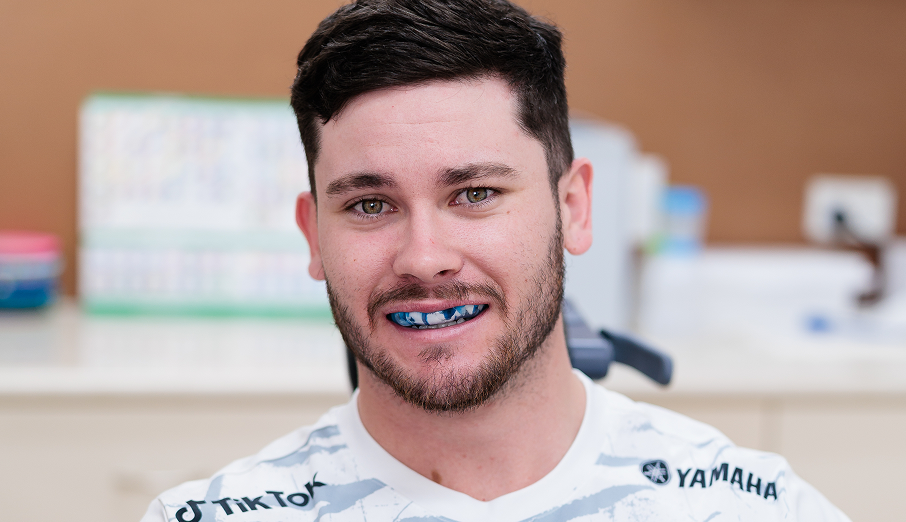
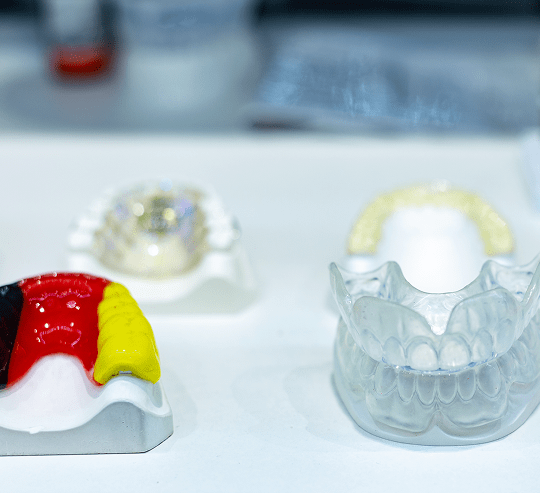
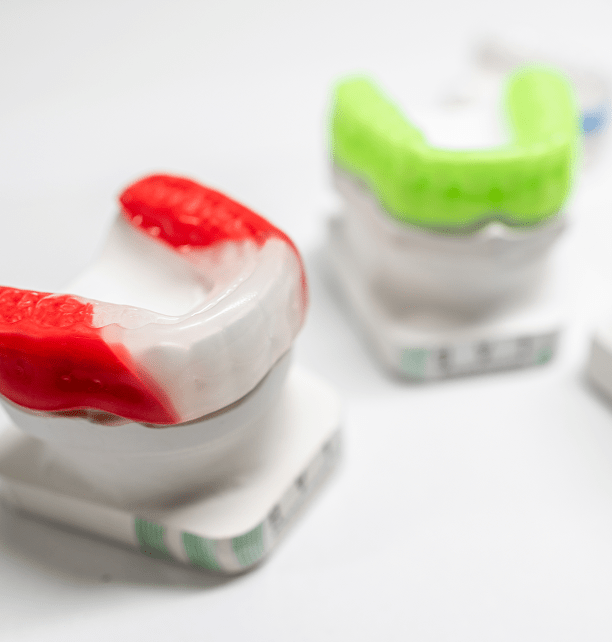
At Mann Denture Clinic, we offer custom mouthguard designs made with materials supplied by Australian Mouthguards™. Options vary by colour and build, allowing you to select a style that suits your preferences and intended use.
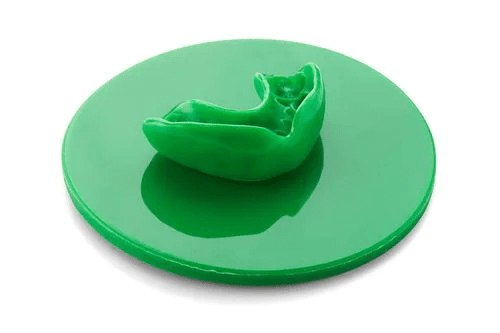
Single Colour
This mouthguard style offers a clean, uniform appearance using one of 35 available colours. It suits patients who prefer simplicity while still choosing a design that reflects their preference. Multiple thickness options are available, from 1 mm to 5 mm.
This option is often selected for its classic look.
2 Stripe
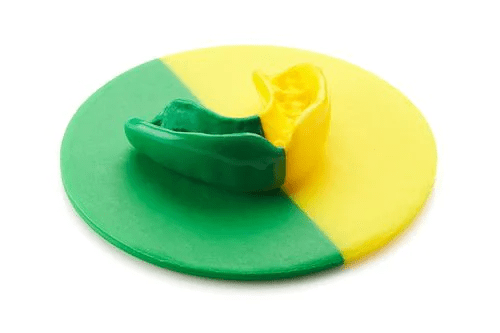
The two-stripe design allows you to choose any two colours from the 35 options available, offering a personalised look. These come in square or round shapes and are available in several thickness options, including light laminate.
This is a suitable option for those wanting a balanced design with added visual contrast.
3 Stripe
The 3 Stripe mouthguard features a 12 mm centre stripe and two outer colour sections, all customisable from 35 colours. It is available in round, square, or diagonal shapes with 2–5 mm thickness, including laminate upgrade options.
This design suits patients seeking bold contrasts with layered colour elements.
4 Stripe
This style includes two 6 mm centre stripes and two customised side colours. Available in 120 mm or 125 mm round or square formats, it comes in 4 mm and 5 mm thickness, with optional upgrades to light laminate versions.
Patients often choose this style for its balanced, symmetrical layout.
5 Stripe
With three 6 mm centre stripes and two outer colour panels, the 5 Stripe option allows for more colour variety. Colours are fully customisable, and sizes include 120 mm or 125 mm round and square formats. Thickness options range from 4 mm to 5 mm with lamination.
It appeals to those who want a vibrant combination of colours with a clean, structured layout.
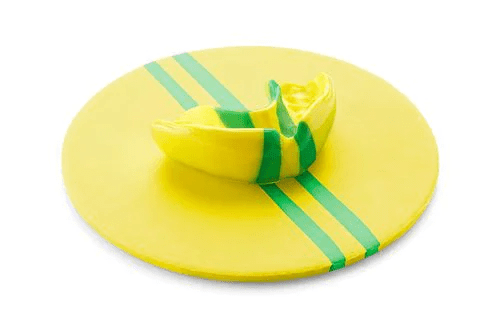
6 Stripe
The six-stripe design includes four equally spaced 6 mm centre stripes. Each stripe can be customised with 35 available colours. It comes in 120 mm or 125 mm round or square shapes. Standard and laminate-enhanced thicknesses of 4 mm and 5 mm are available on request.
This design is often chosen by individuals who want a bold, structured pattern with a variety of colours.
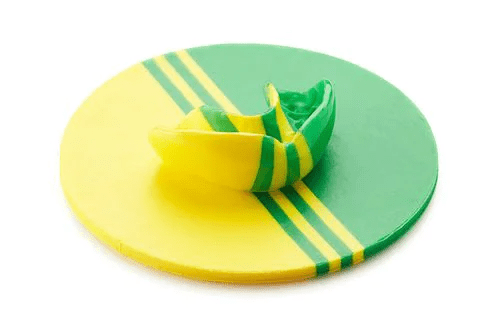
7 Stripe
The seven-stripe mouthguard includes one 12 mm centre stripe and four 4 mm side stripes. All colours can be selected from a set of 35. It comes in round or square shape options and is available in standard or laminate-based thicknesses.
It offers a layered look for those wanting a distinctive multi-stripe layout.
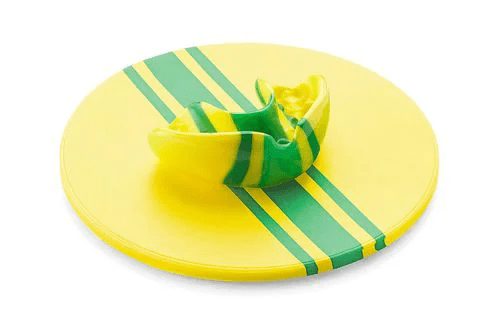
Special Stripe
Special Stripe mouthguards feature 6-mm stripes that can include up to eight customised colours from the full 35-colour range. These are available in 120 mm or 125 mm round or square shapes. Both standard and laminate-enhanced thicknesses are available.
This design is suitable for patients who want greater colour variety while keeping a consistent, linear layout.
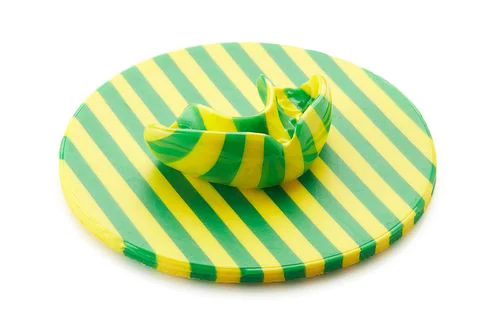
Micro Special Stripe
Micro Special Stripe includes 4 mm stripes that can be combined in up to ten colours from the 35-colour palette. They are shaped in 120 mm or 125 mm round or square formats and offered in 4 mm and 5 mm thicknesses with laminate options.
This design provides fine striping for subtle colour transitions throughout the mouthguard.
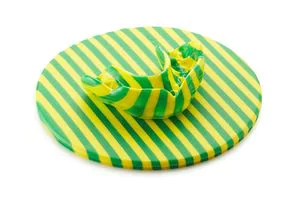
Harlequin
Harlequin designs feature 6 mm colour blocks arranged in alternating check patterns. They are offered in up to two colours as standard, with the option to add more colours for an additional charge. Shapes include round or square, with laminate upgrades available.
Patients often select this pattern for its playful appearance and high-contrast checkerboard layout.
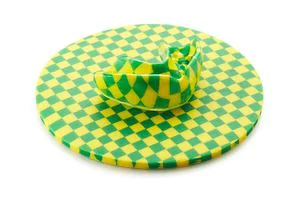
Micro Harlequin
Micro Harlequin features a grid layout made from 4 mm coloured squares. You can choose up to seven colours from the full 35-colour palette. Shapes include 120 mm or 125 mm round and square, with 4 mm and 5 mm thickness options available in laminate.
This design offers a refined, pixel-like aesthetic with detailed colour variation.
Moustache
This style includes a standard 6-mm centre stripe that can be matched with any two colours in the range of 35. Additional stripes can be added by request. It comes in 120 mm or 125 mm round and square shapes, with up to 5 mm laminate thickness.
This design adds a distinctive centre feature while still allowing personalised colour customisation.
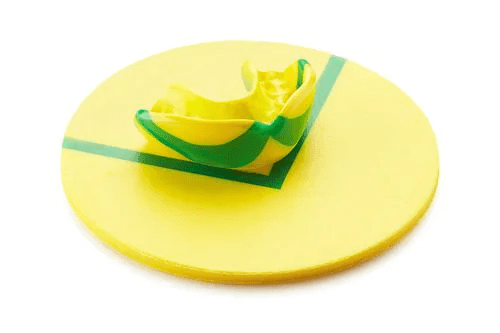
Marble
Marble mouthguards allow for up to 10 blended colours, selected from a palette of 35. Custom orders can include up to 35 colours through a consultation. They are available in 120 mm or 125 mm round and square shapes and multiple thickness levels up to 5 mm.
This design is popular for its swirled, fluid look and flexible colour variations.
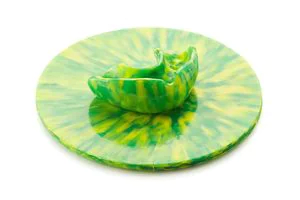
3D Marble
3D Marble uses layered colour blending to add depth and dimension to the design. You can choose up to 10 colours, with expanded combinations available upon request. Shapes include 120 mm or 125 mm round and square. Laminate thicknesses include 4 mm and 5 mm.
This design offers a more dimensional, blended finish for a bold yet cohesive effect.
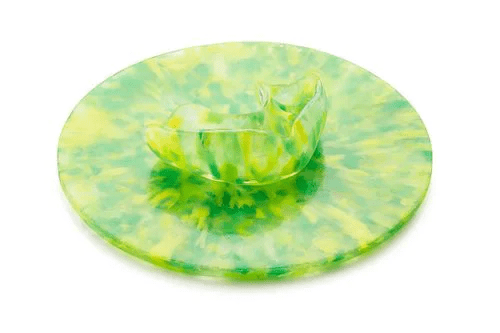
3D Splash
This design features up to 10 colours in the 35-colour range, arranged in a splatter-like pattern. Larger combinations are available through consultation. Sizes include round or square shapes, with thickness options of 4 mm or 5 mm in light laminate.
This design creates an abstract, scattered pattern while maintaining a smooth and consistent fit.
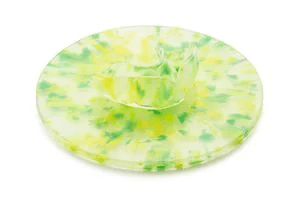
Toothless
The Toothless design includes a 6 mm stripe with two surrounding colour sections, all customisable from the full 35-colour range. It’s available in 120 mm or 125 mm round and square shapes, with thickness options of 4 mm or 5 mm, including light laminate if requested.
This design presents a bold, playful layout with a central feature.
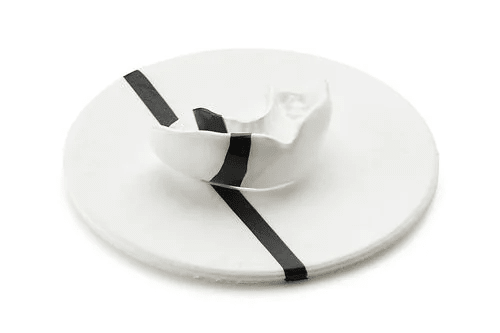
Top Deck
Top Deck allows colour selection from any two options in the 35-colour range. It can also include stripe combinations, such as 2 or 3 stripes on one side, by request. Round or square shapes in made-to-request thicknesses are available.
This design is chosen for layered configurations that offer flexible colour placement.
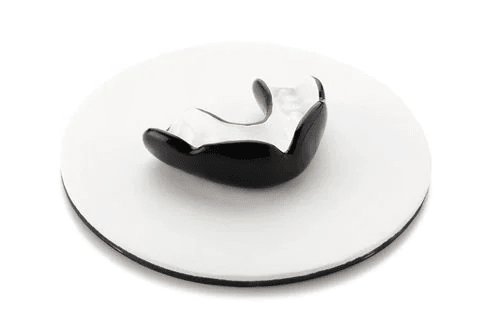
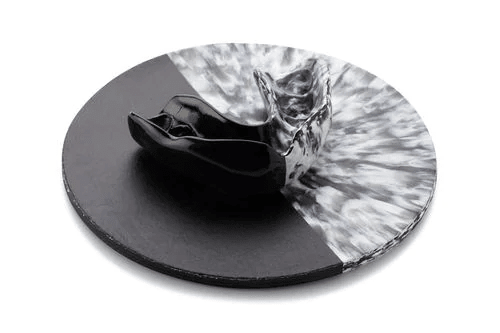
Marble 50/50
Marble 50/50 combines one-half of a marble pattern with a single solid colour. All colours can be selected from the entire range. It comes in round or square format and is available in 4 mm or 5 mm thickness. Orders must be placed as a set of two.
This design highlights the central stripe while keeping the base simple and uniform.
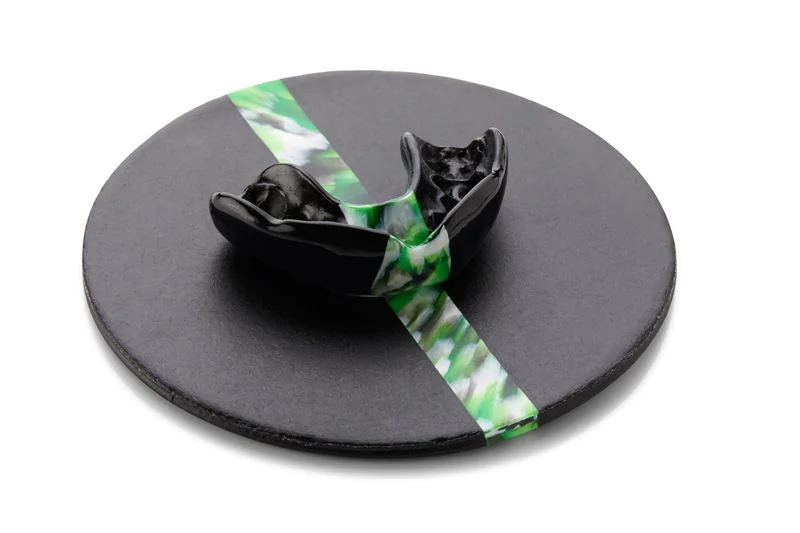
Marble Stripe
Marble Stripe pairs a solid-coloured base with a central marble stripe. The stripe is available in limited options unless ordered in a pack of five. Shapes include 120 mm or 125 mm round and square, with made-to-order thicknesses available.
This design creates a centre highlight while keeping the rest of the mouthguard simple and uniform.
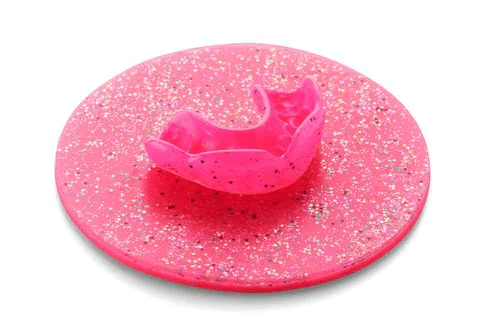
Glitter
Glitter mouthguards are created by adding glitter elements to any of the 35 base colours. Glitter can also be added to many other mouthguard styles. Sizes include 120 mm or 125 mm round and square. Thicknesses are made to order and can include lamination.
This design provides a sparkled finish while maintaining the underlying material specifications.
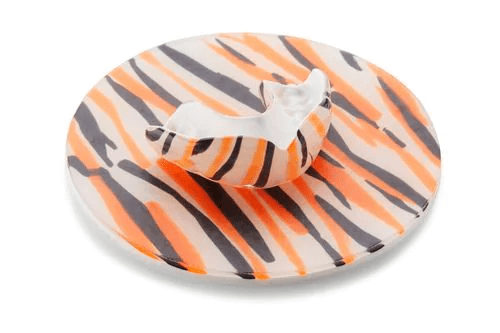
Tiger / Zebra
This layout features two contrasting colours applied over a base colour to imitate the appearance of stripes. You can customise with 35 colour options. Available in round or square shapes, Tiger/Zebra is produced in 5 mm thickness with a laminate as required.
This design provides a bold, high-contrast striped pattern with additional visual texture.
Discover the Benefits of Mouthguards
Dental Work Preservation
Injury Preservation
Enhanced Comfort
What to Expect from Your Custom Mouthguard Process
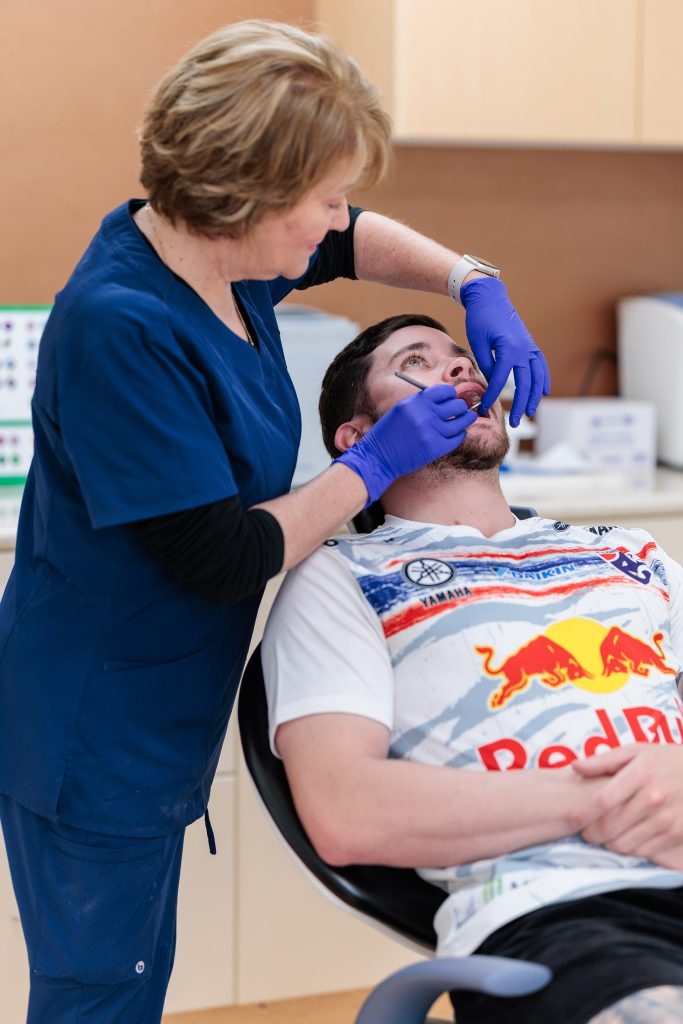
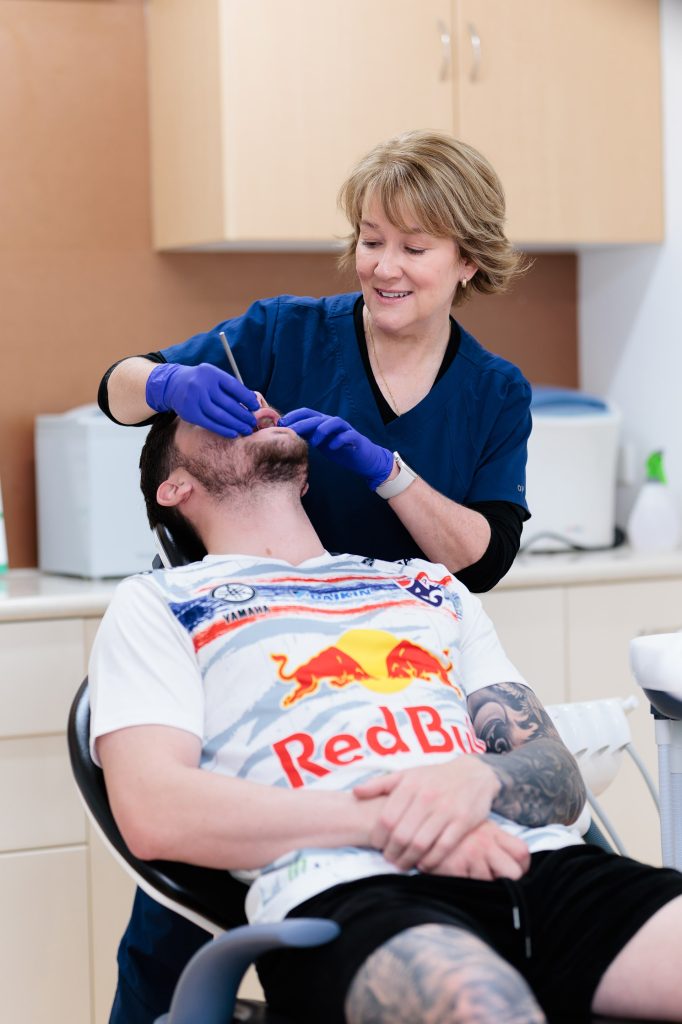
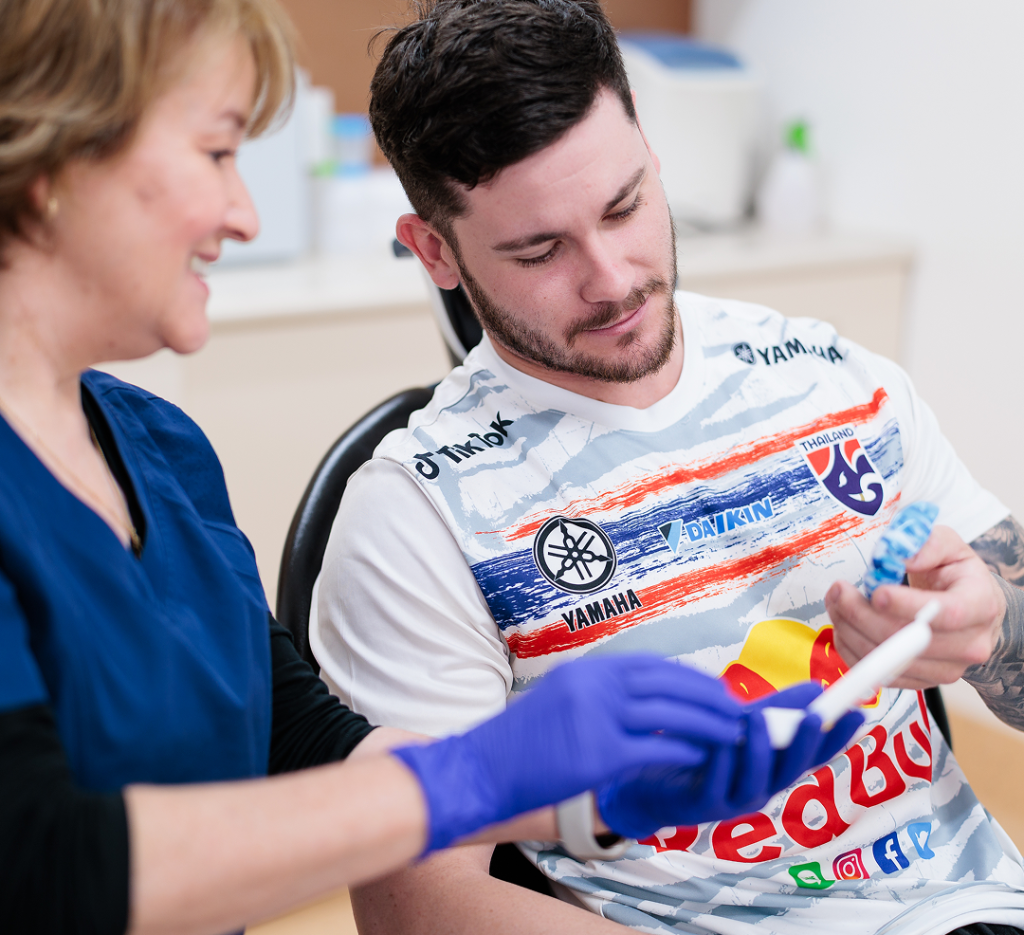
Initial Appointment for Mouthguard
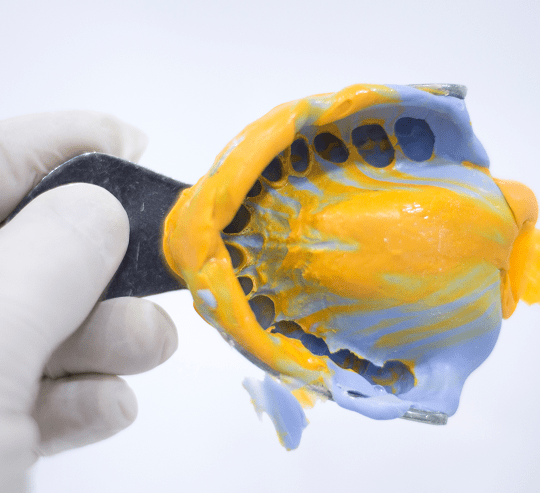
Precise Dental Impressions
Choose Your Colour and Design
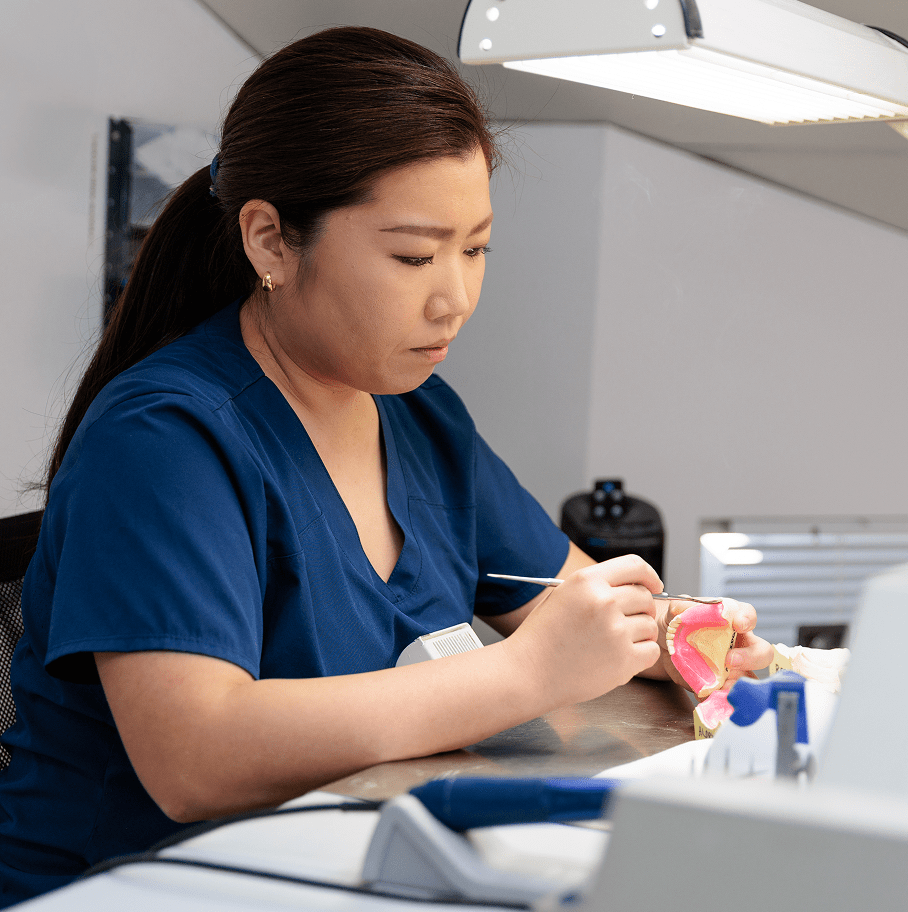
In-Clinic Mouthguard Fabrication
Mouthguard Ready—Time to Collect
Digital scanning is now available (conditions apply), as it will not be something we can do with every case we see.
For further information, please contact our clinic on (08) 9534 4679.
Why Patients Trust Mann Denture Clinic for Personalised Denture Services
On-Site Denture Lab for Faster, More Personalised Care
Our on-site laboratory allows us to create, adjust, and maintain your dentures right here in the clinic. There’s no need for lengthy delays or sending work away, which means quicker turnaround times and more control over the quality and fit. You can speak directly with the people who make your dentures, which gives you a more personalised experience from start to finish. If something needs adjusting, we can often do it on the spot, saving you time and extra visits.

Over 20 Years of Experience in Denture Care
With more than 20 years of experience in creating, fitting, and maintaining dentures, we’ve worked with a wide range of needs, preferences, and challenges. This depth of knowledge means we can anticipate potential issues and guide you through the options, as we aim to create dentures that look natural and feel comfortable. Whether you’re getting your first set or replacing an existing pair, you’ll benefit from the skills we’ve refined over years of hands-on care in the community.

Female-Led Local Clinic with a Personal Touch
Mann Denture Clinic is proudly female-led and deeply connected to our local community. We understand the importance of listening, empathy, and attention to detail, which shape the way we care for every patient. We provide a friendly, welcoming environment where we listen to your concerns and respect your preferences. Our focus is on building long-term relationships, not just providing a one-off service. We provide continuity of care and look forward to supporting patients through regular maintenance and adjustments.
Proud ADPA and AHPRA Member for Quality Care
We’re committed to providing care that meets professional standards, which is why we maintain membership with both the Australian Dental Prosthetists Association (ADPA) and the Australian Health Practitioner Regulation Agency (AHPRA). This means our work follows strict guidelines, ethical practices, and up-to-date industry knowledge. You can feel comfortable knowing your dentures are made and fitted with both technical skill and professional accountability. This approach provides a standard of care you can trust.

Frequently Asked Questions About Mouthguards
Where are your mouthguards made, and what materials are used?
Your custom mouthguard is made in one location, from the initial impression to the final fitting, at our clinic in Mandurah. Completing fabrication in one place supports consistent processes and timely fit checks.
We use materials suitable for custom mouthguards, such as EVA (ethylene-vinyl acetate). When properly fabricated and fitted, EVA may help absorb impact forces during use.
Depending on your needs, we can fabricate single- or multi-layer designs, including laminate builds, in typical thicknesses from 1 mm to 5 mm.
You can also personalise colours, patterns, and stripe styles; your clinician will advise on the most suitable build for sports or nighttime teeth grinding.
How is a custom mouthguard different from store-bought options?
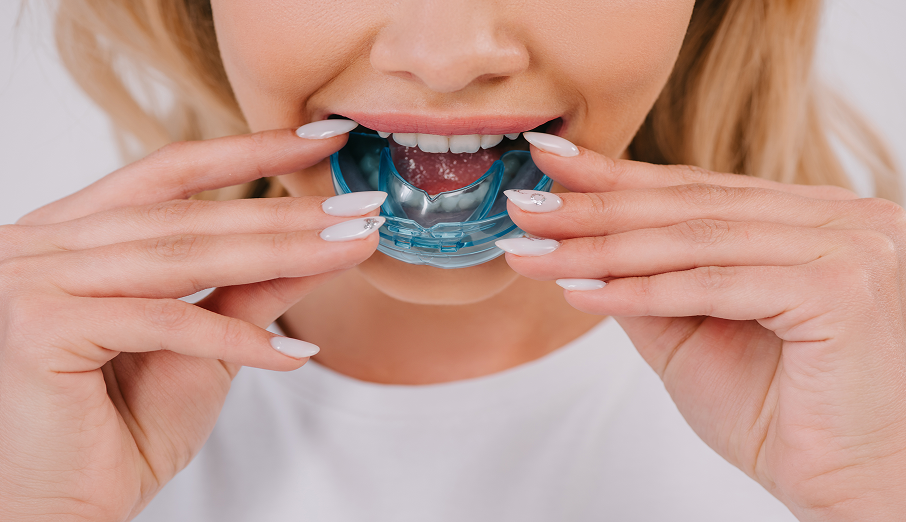
A custom-fit mouthguard is made from your dental impressions, while store-bought guards are stock or “boil-and-bite” products.
- Fit.
A custom-fit mouthguard is fabricated to match your teeth and bite, which may provide closer adaptation and improved retention. Store-bought guards are made to generic sizes and may not conform as closely to some users. - Comfort.
Because it is shaped to your bite, a custom-fit mouthguard may be more comfortable to wear for longer periods. Generic guards may require trimming or adjustments to improve comfort. - Function.
A mouthguard that fits well may make it easier to breathe and speak and may reduce movement during use. A poor fit—custom or generic—can interfere with speech or jaw movement, so individual fitting remains important. - Protection.
A well-fitted sports mouthguard may help distribute impact forces and may reduce the risk of dental injury in contact activities. For night-time grinding, a different design is used to help limit clenching forces; one device is not intended to serve both purposes. - Design choices.
Custom-made guards typically allow selection of colours, thicknesses, and patterns to suit your intended use, while store-bought options generally offer fewer build and design variations.
Your clinician can advise which option and thickness are appropriate for sport or for nighttime teeth grinding based on your needs.
Which type of mouthguard is suitable for contact sports?
How can I tell if a mouthguard fits well?
A well-fitting mouthguard should be secure, comfortable, and allow normal breathing and speech. The signs below are general indicators and do not replace a clinical assessment.
- Snug fit:
It should stay in place without you needing to bite down; if it slips or feels loose, it may need adjustment. - Even contact:
It should make even contact with your teeth on both sides to help distribute pressure. - No pain or pressure points:
It should not cause discomfort, pinch your gums, or press on certain teeth more than others. - Breathing and speaking:
You should be able to breathe through your mouth and speak clearly without effort. - Stability during use:
It should remain stable during sport or, for night guards, during sleep.
If your mouthguard doesn’t feel secure or comfortable, book a mouthguard fitting so a clinician can assess the fit and make any needed adjustments.
Can a custom-fit mouthguard be made in different colours or designs?
Yes. Custom-fit mouthguards can be personalised with a range of colours, patterns, and stripe configurations.
We offer single colour designs and multi-stripe layouts ranging from 2 to 7 stripes. Special stripe patterns, Harlequin and Micro Harlequin check patterns are available. Marble and 3D Marble swirl effects, 3D Splash, glitter finishes, and Tiger/Zebra stripe patterns can be selected. Colours can be selected from a palette of 35 options. Some designs allow up to 10 colour combinations.
Thickness options range from 1 mm to 5 mm, depending on the design and intended use. Shapes include round, square, and diagonal configurations. Laminate upgrades may be available for selected styles.
Customisation options are discussed during your initial appointment. Your prosthetist can show you available colour and pattern combinations. They will help you select a style that suits your preferences and meets requirements for your intended use.
Is it okay to eat or drink while wearing a mouthguard?
It is not recommended to eat while wearing a mouthguard. Chewing can mark the material and may alter the fit, so remove it before meals and place it in a clean, ventilated case.
Plain water is usually fine to drink while the mouthguard is in. Avoid sugary or acidic drinks, which can be trapped against the teeth. Remove the guard first or rinse your mouth and the mouthguard afterwards.
Do I need a prescription to get a custom mouthguard?
No, you do not need a prescription to get a custom-fit mouthguard. You can visit a dental or denture clinic directly to have one made.
A dental professional will assess your needs, take impressions of your teeth, and help you choose the right thickness and style.
This process allows the custom-fit mouthguard to be shaped precisely for comfort, protection, and your intended use, whether for sport, nighttime grinding, or jaw support.
What’s the proper way to clean and store my mouthguard?
Keeping your mouthguard clean and properly stored helps maintain its shape, freshness, and hygiene. The steps below are general care guidance and do not replace a clinical assessment.
- Rinse after each use:
Rinse your mouthguard with cool water as soon as you remove it to wash away saliva and debris. - Brush gently:
Use a soft toothbrush with mild soap or non-abrasive toothpaste to clean it. Avoid hot water because heat can warp the shape. - Dry it completely:
Allow the mouthguard to air-dry fully before storing it to help prevent the growth of bacteria and mould. - Use a ventilated case:
Store the mouthguard in a clean, dry container with small ventilation holes to promote airflow and reduce moisture build-up. - Keep it away from heat:
Do not leave the mouthguard in direct sunlight, a hot car, or near heat sources to avoid material damage. - Clean the case regularly:
Wash the storage case with soap and water at least weekly and allow it to dry thoroughly.
If you notice persistent odour, visible damage, or a change in fit, book a review so a clinician can assess it and provide advice on the next steps.
Are there any side effects from wearing a mouthguard long-term?
Most people tolerate a custom-fit mouthguard well when it is properly made and cared for. However, some people may notice the effects below, especially if fit or hygiene is suboptimal.
- Dry mouth:
A mouthguard can reduce airflow and make the mouth feel dry, particularly during sleep. - Increased salivation:
Some people produce more saliva when they first start wearing a mouthguard. - Sore jaw or teeth:
An ill-fitting mouthguard may place pressure on teeth or jaw joints and cause discomfort. - Gum irritation:
Rough edges or inadequate cleaning can irritate the gums or soft tissues. - Bacterial build-up:
Infrequent cleaning can lead to plaque and odour.
Regular cleaning, proper storage, and periodic review or mouthguard fitting can help prevent or minimise these effects. If symptoms persist, book an appointment for assessment and adjustment.
How often should a mouthguard be replaced?
There is no set replacement schedule. Timing depends on wear, fit, and changes in your mouth. Your clinician can advise after examining your mouthguard and bite.
- Visible wear and tear:
Thinning, cracks, warping, or rough edges can reduce comfort and coverage. - Changes in fit or bite:
Dental work, orthodontics, or shifting teeth can affect retention and function. - Growth and development:
Children and teens often need replacements more frequently as jaws and teeth change. - Hygiene concerns:
Persistent odour or staining despite cleaning may indicate it is time to replace. - After significant impact:
Replace a sports mouthguard that has been deformed or damaged in play.
We provide clear, upfront pricing for custom mouthguards; your clinician will recommend when to replace based on clinical need.
Can one mouthguard be used for both sports and sleep?
It is not recommended to use one device for both purposes. Sports mouthguards and mouthguards for teeth grinding are designed differently and are not interchangeable.
- Design and thickness:
Sports mouthguards are typically thicker to absorb impact. Night guards are thinner and shaped to help reduce clenching pressure during sleep. - Materials and function:
Sports mouthguards are built to cushion blows. Night guards are made to withstand repetitive grinding forces and protect tooth surfaces. - Fit and comfort:
Night guards are designed for prolonged wear and comfort. A sports guard may feel bulky and uncomfortable during sleep.
Using separate guards for sport and sleep helps each device perform its intended role. Your clinician can recommend the appropriate type for your needs.
Can my dentist adjust a mouthguard if it feels uncomfortable?
Yes. A dentist or dental prosthetist can review the fit and make adjustments to improve comfort and retention after assessment.
- Trimming rough edges:
Areas that irritate the gums or cheeks can be smoothed to improve comfort. - Refining bite alignment:
If the mouthguard alters how your teeth meet, the bite surface can be adjusted for more even contact. - Modifying fit:
If the guard feels too loose or tight, specific areas can be relieved or tightened to improve retention. - When refabrication is needed:
If the device cannot be adjusted sufficiently, a new impression and remake may be recommended.
Patients at Mann Denure Clinic can return for assessment and adjustments as needed.
Making Denture Care Affordable with Flexible Payment Options
Payment options include health fund claiming, instalment plans, and approved government programs. Details vary, and eligibility is explained to patients before treatment begins.
HBF
HBF members can claim approved denture services at the clinic through HICAPS on the day of treatment. The amount covered depends on the member’s level of health fund cover. Services that may be included are dentures, relines, or adjustments listed by HBF.
Medibank
Medibank members can claim selected denture services using HICAPS at their appointment. The contribution made depends on the member’s level of health fund cover. Services such as dentures, relines, or adjustments may be included if they are part of Medibank’s approved schedule.

Afterpay
Afterpay is a payment service that divides the total cost into four fortnightly instalments. The first payment is made at the appointment. Terms and conditions are set by Afterpay, and eligibility applies to patients who wish to use this option.

DVA
DVA Gold Card holders may be eligible for denture treatment that is clinically required. White Card holders may qualify if the care relates to an accepted condition. Services provided depend on the Department of Veterans’ Affairs schedule, and some items may need prior approval.

CPDSS
The Country Patients Dental Subsidy Scheme (CPDSS) may assist rural or remote patients with denture treatment. An Authority Form is required, and services must meet WA Country Health rules. Eligible items may include denture fittings, relines, or follow-up appointments within the scheme’s limits.
We provide a clear treatment quote at your free consultation — no surprises.