






Replacing Missing Teeth With Partial Dentures in Mandurah
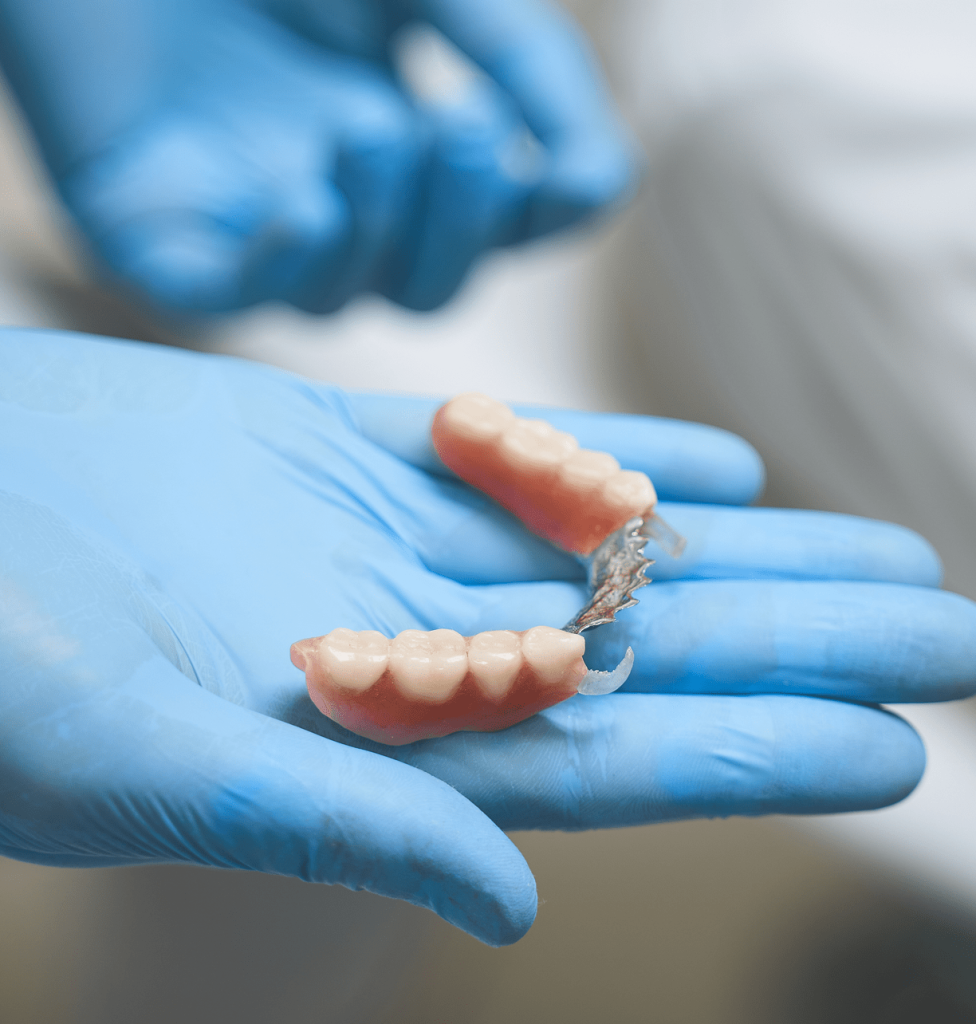
Partial dentures in Mandurah are one option for replacing missing teeth. They may help with eating, speaking, and maintaining your smile, depending on individual needs.


How Partial Dentures May Help with Oral Function
Missing teeth can affect eating, speaking, and oral health, sometimes leading to changes in how teeth align, bite function, or jaw comfort. These challenges may make daily activities harder and contribute to ongoing dental concerns. Partial dentures are a type of removable tooth replacement that may help fill spaces caused by missing teeth. They are custom-made and adjustable. Partial dentures are designed to support chewing and speaking. With regular professional assessment and care, they can also assist with maintaining overall oral health.
Is a Partial Denture Right for You?
Partial dentures may be a suitable tooth replacement for some people with missing teeth. They are designed to help with function and appearance, but suitability depends on individual needs and a professional assessment.
- Multiple Missing Teeth.
Partial dentures may be used to replace several missing teeth in one or both arches while keeping healthy natural teeth in place. - Gaps Affecting Chewing.
They may be considered if missing teeth are making it harder to chew a variety of foods. - Replacing Teeth After Extraction.
They may provide a functional option if you require tooth replacement following an extraction. - Temporary Alternative to Implants.
Partial dentures may be an interim choice if dental implants are not recommended or suitable at the time.
Discover Alternatives to Removable Partial Dentures
If removable partial dentures are unsuitable, other tooth replacement options may be considered. Each has different features, costs, and suitability based on your oral health needs.
Full Dentures
Full dentures replace all teeth in an arch. They may help with function and appearance when no natural teeth remain, though adjustments are sometimes needed for comfort.
Implant-Retained Dentures
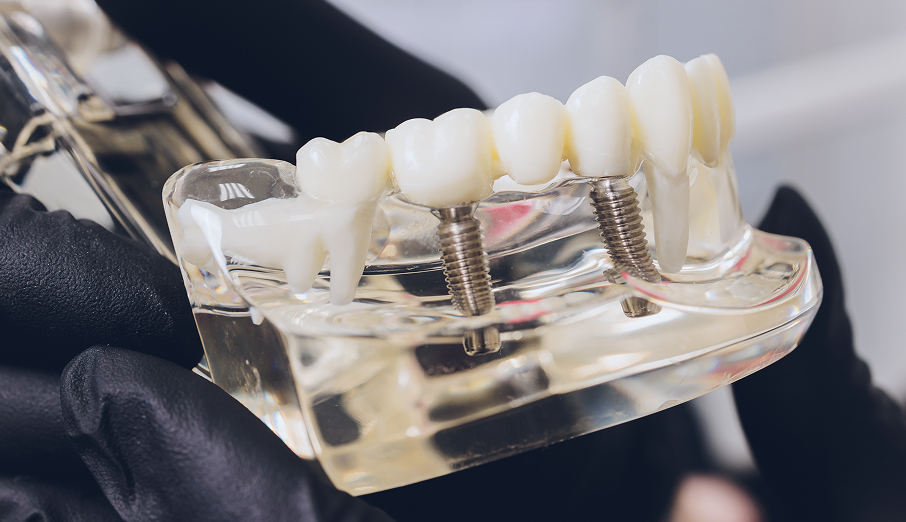
Dental implants replace missing teeth with artificial roots and crowns. In some cases, they may assist in preserving bone, but they involve surgery, higher costs, and adequate bone density.
Dental Bridges
Dental bridges may be used to replace one or more missing teeth by attaching them to neighbouring teeth. They may provide stability, but usually require preparation of healthy supporting teeth.
What to Expect During Your Partial Denture Journey
Your partial denture treatment usually involves several steps. Each stage is intended to support fit and function, tailored to your oral health and reviewed by your dental professional.
Initial Impressions
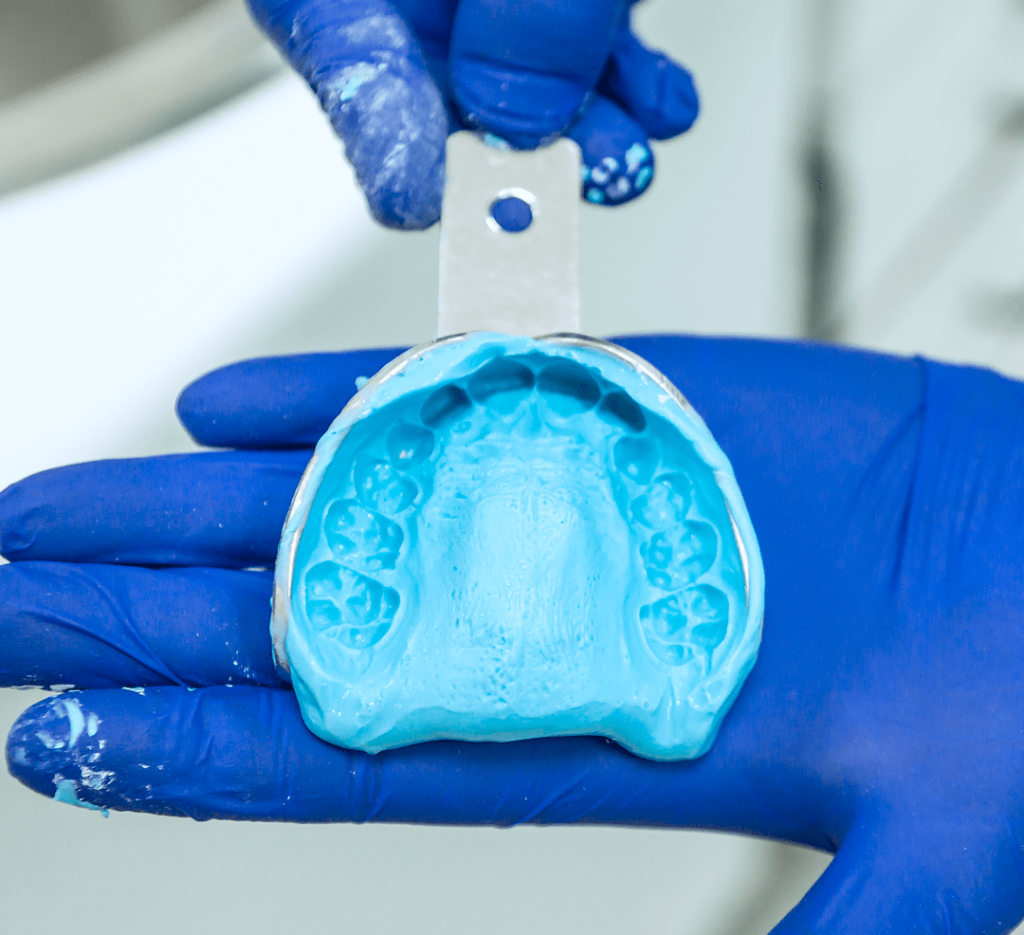
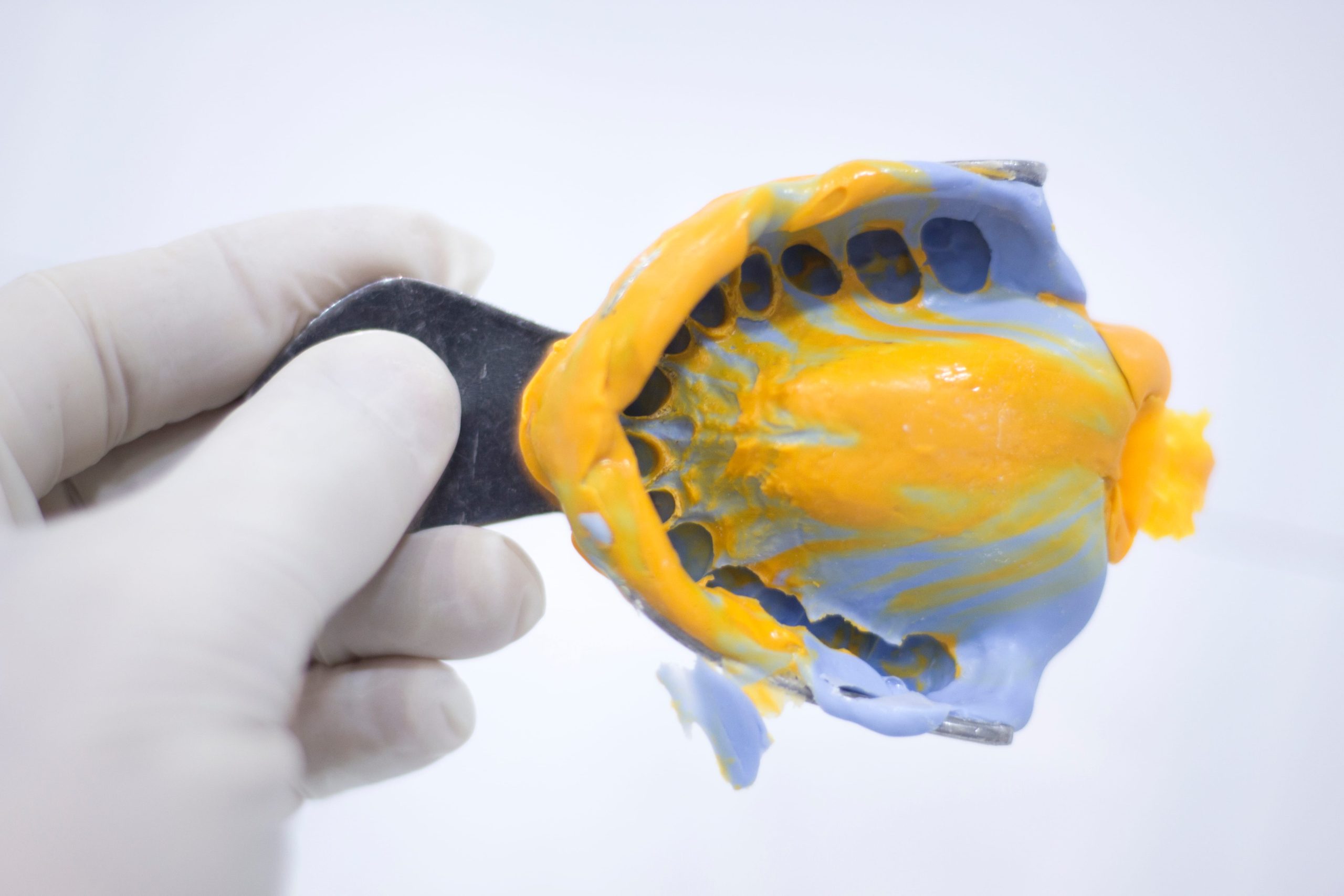
Your first appointment usually involves taking preliminary moulds of your upper and lower arches. These impressions provide a guide for the general shape and design of your partial denture.
Final Impressions
Final impressions use detailed materials to record the shape of your gums and teeth. This information is used in the process of making a denture that is intended to fit more closely.
Bite Assessment
We record how your upper and lower teeth come together using wax or digital tools. This step provides guidance for positioning the denture to assist with chewing and speaking.
Fitting Preview
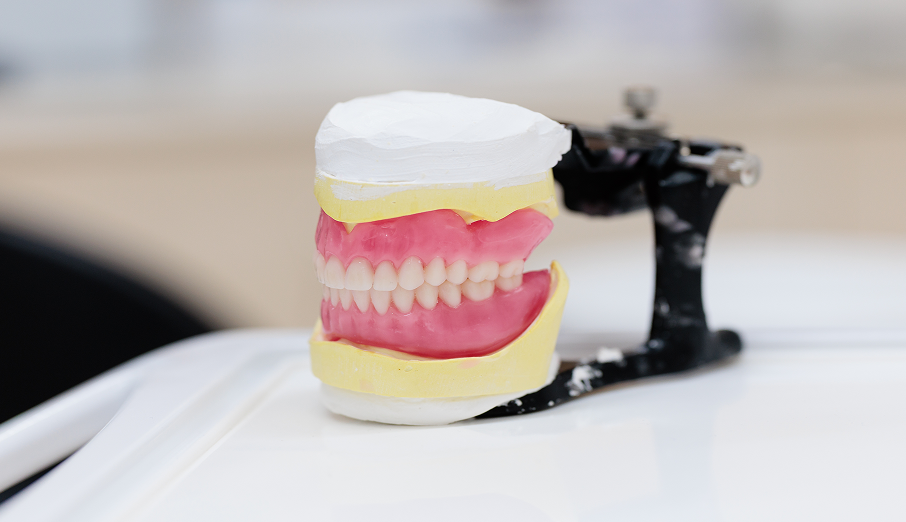
You may try on a wax version of your denture. This stage is used to check fit and bite alignment before the final denture is processed in the dental laboratory.
Final Placement
The completed denture is inserted during this visit. Adjustments are often made at this stage and may also be needed over time to support comfort and function.
Digital scanning is now available (conditions apply), as it will not be something we can do with every case we see.
For further information, please contact our clinic on (08) 9534 4679.
Why Patients Choose Mann Denture Clinic for Personalised Denture Services
Choosing dentures is personal, and so is our approach. Mann Denture Clinic tailors every step of your treatment process to your unique needs, helping you to smile, speak, and live with greater confidence.
On-Site Denture Lab for Faster, More Personalised Care
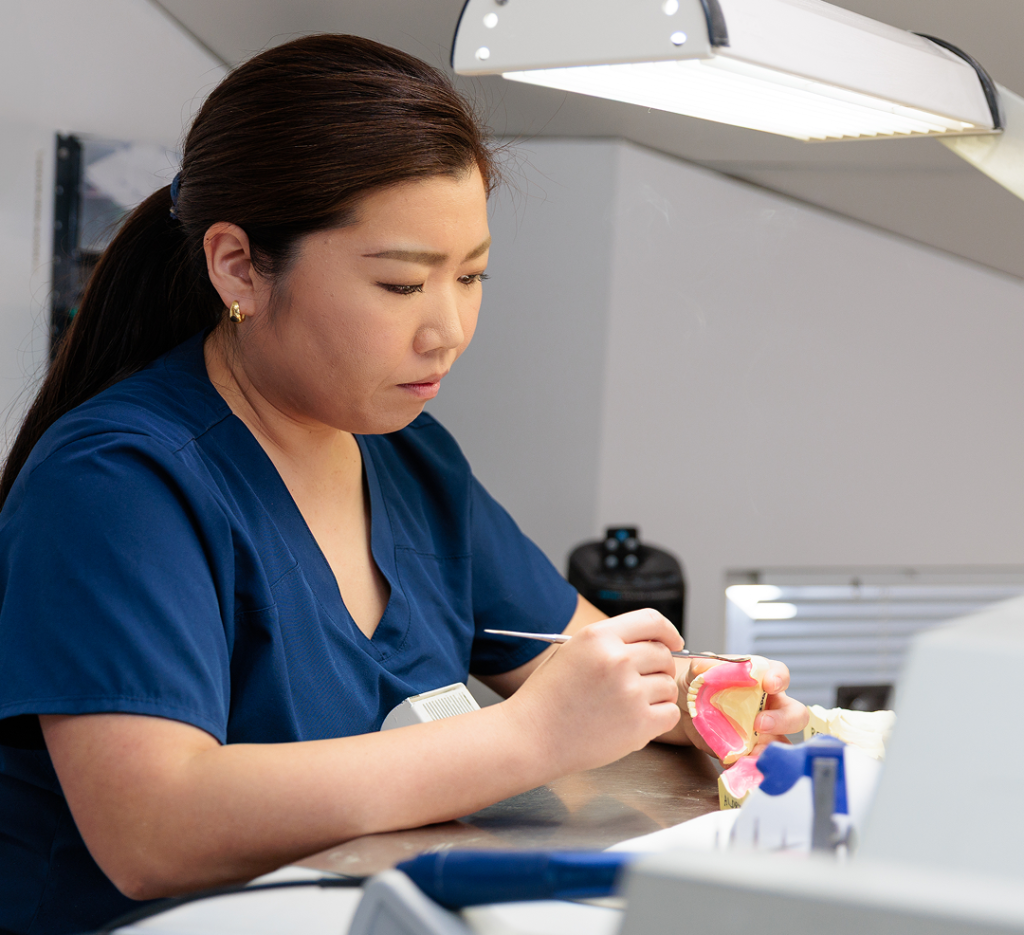
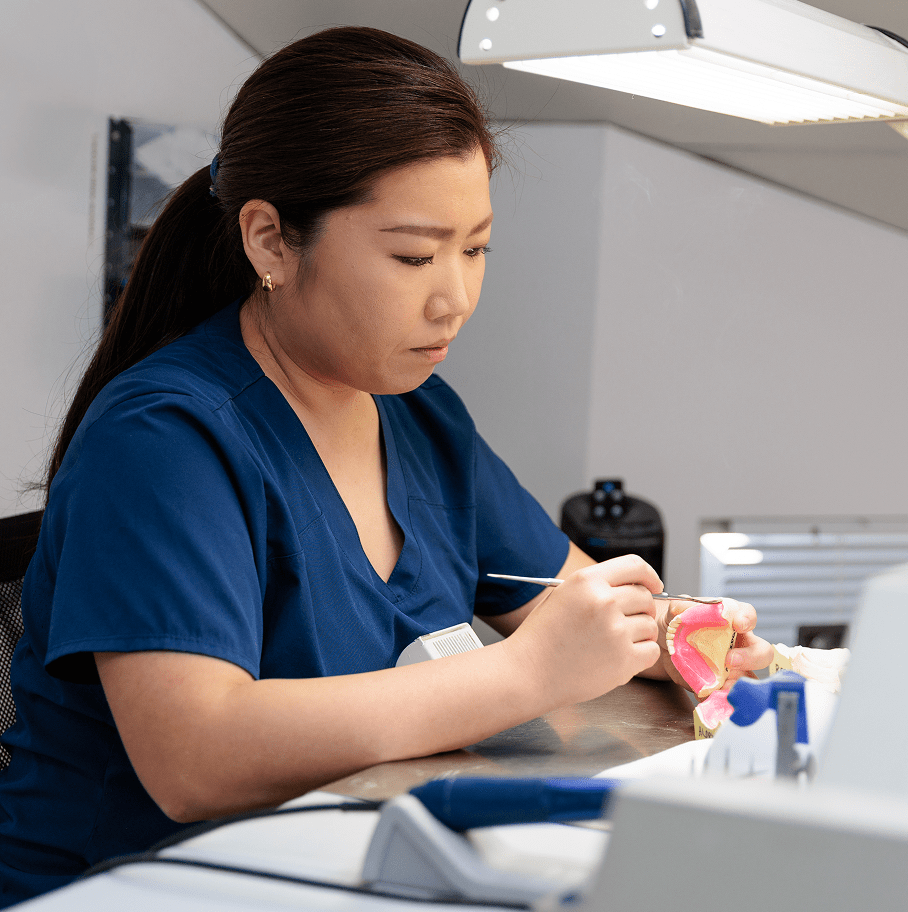
Our on-site laboratory allows us to create, adjust, and maintain your dentures right here in the clinic. There’s no need for lengthy delays or sending work away, which means quicker turnaround times and more control over the quality and fit. You can speak directly with the people who make your dentures, which gives you a more personalised experience from start to finish. If something needs adjusting, we can often do it on the spot, saving you time and extra visits.

Over 20 Years of Experience in Denture Care
With more than 20 years of experience in creating, fitting, and maintaining dentures, we’ve worked with a wide range of needs, preferences, and challenges. This depth of knowledge means we can anticipate potential issues and guide you through the options, as we aim to create dentures that look natural and feel comfortable. Whether you’re getting your first set or replacing an existing pair, you’ll benefit from the skills we’ve refined over years of hands-on care in the community.
Female-Led Local Clinic with a Personal Touch
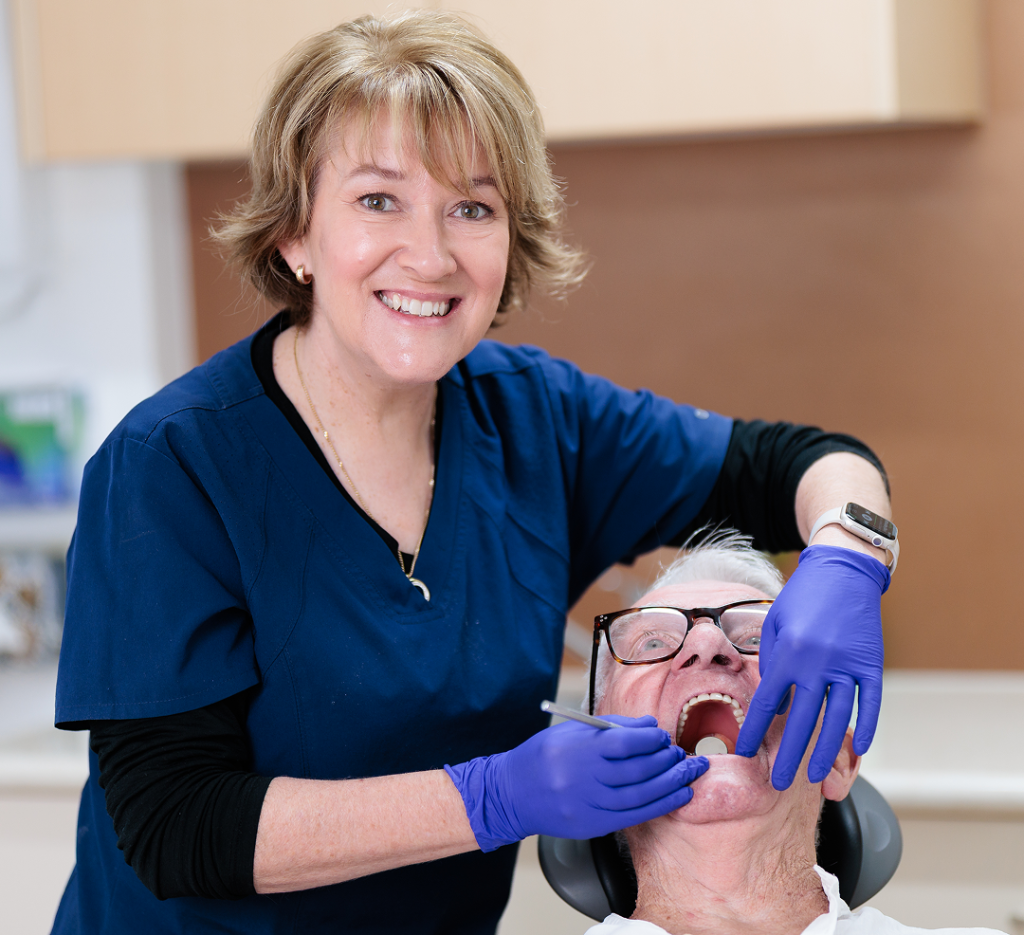
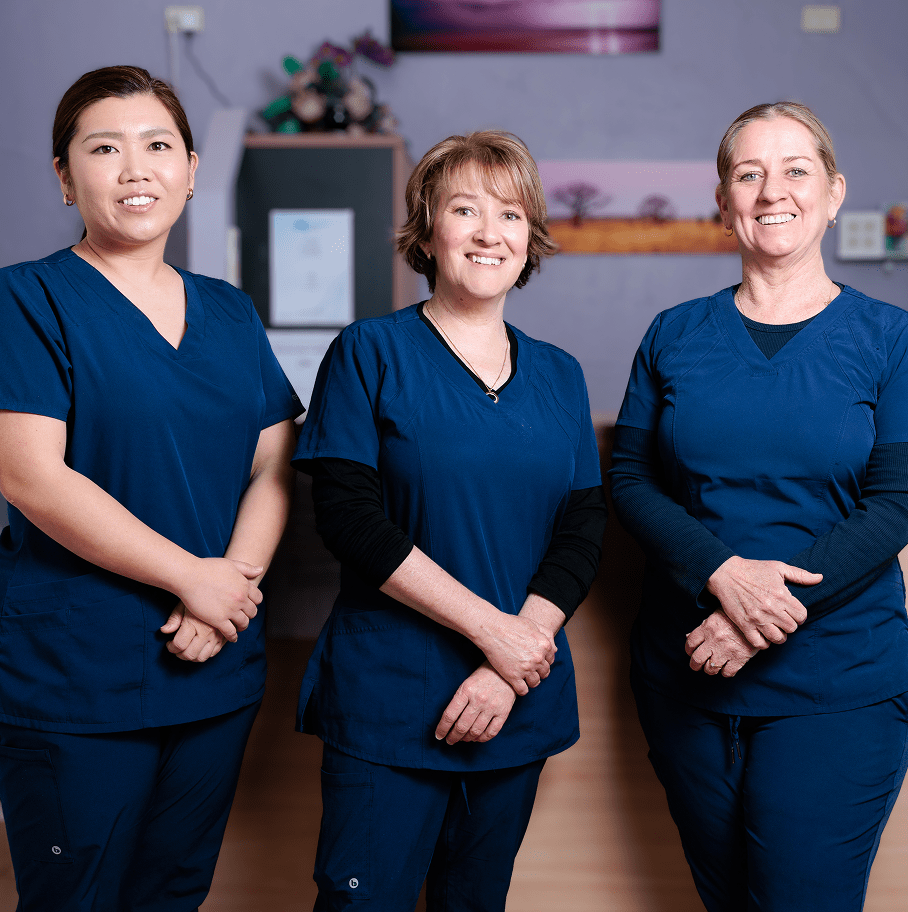
Mann Denture Clinic is proudly female-led and deeply connected to our local community. We understand the importance of listening, empathy, and attention to detail, which shape the way we care for every patient. We provide a friendly, welcoming environment where we listen to your concerns and respect your preferences. Our focus is on building long-term relationships, not just providing a one-off service. We provide continuity of care and look forward to supporting patients through regular maintenance and adjustments.
Proud ADPA and AHPRA Member for Quality Care
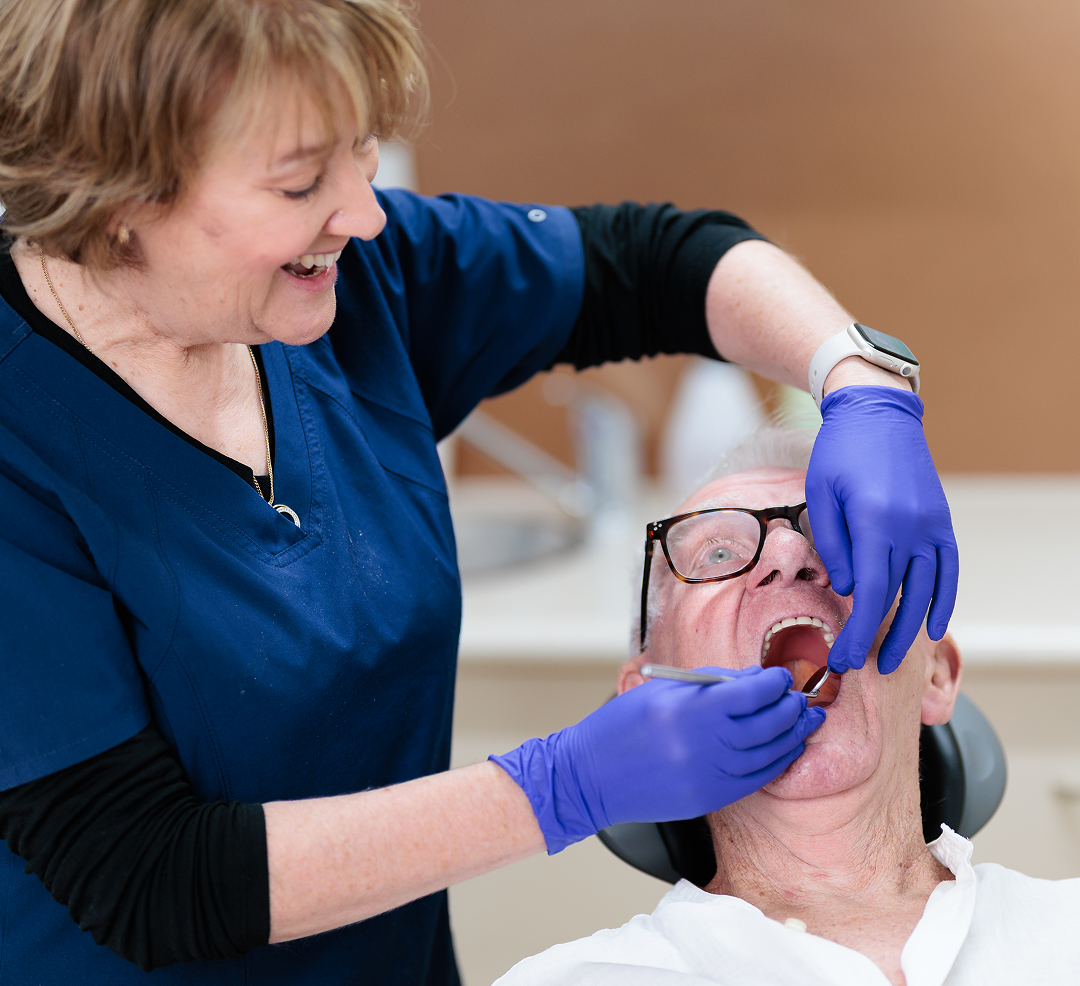
We’re committed to providing care that meets professional standards, which is why we maintain membership with both the Australian Dental Prosthetists Association (ADPA) and the Australian Health Practitioner Regulation Agency (AHPRA). This means our work follows strict guidelines, ethical practices, and up-to-date industry knowledge. You can feel comfortable knowing your dentures are made and fitted with both technical skill and professional accountability. This approach provides a standard of care you can trust.

Frequently Asked Questions About Partial Dentures
Patients often have questions about partial dentures in Mandurah. This section provides general information about their use, care, costs, and when they may be considered.
Are partial dentures worth the money?
Partial dentures may be an option for people seeking a tooth replacement at a lower cost than some alternatives, such as implants. The overall value depends on factors like fit, material, and ongoing care.
A dental consultation can help you understand whether partial dentures are appropriate for your situation and provide an estimate of likely costs. Regular check-ups and cleaning are recommended to help maintain function and comfort over time.
Can you sleep with partial dentures?
Is it painful to get partial dentures?
Getting partial dentures in Mandurah is not generally considered painful. Some people may notice temporary gum tenderness, increased saliva, or a feeling of tightness during the adjustment period. These responses vary from person to person.
A dental professional can suggest strategies to ease the adjustment period. If discomfort continues, further assessment and adjustments may be needed to support fit and function.
How long do partial dentures last?
Research suggests that partial dentures may last an average of around eight years, though this varies widely depending on care and individual factors. Their longevity depends on aspects such as:
- Material quality:
Metal frameworks are often more durable than acrylic and may resist wear and breakage over time. - Oral hygiene:
Brushing your dentures and natural teeth daily supports gum health and may help maintain fit and function. - Fit and adjustments:
Gums and bone can change shape, so regular check-ups allow your denture to be adjusted when needed. - Dietary habits:
Avoiding very hard or sticky foods may reduce stress on the denture and help prevent damage. - Condition upkeep:
Addressing signs of wear early allows a dental professional to make timely adjustments for comfort and stability. - Overall oral health:
Healthy gums and supporting teeth provide a stronger foundation that can help dentures last longer.
Regular professional monitoring can assist in maintaining fit and supporting longer use.
How do partial dentures stay in place?
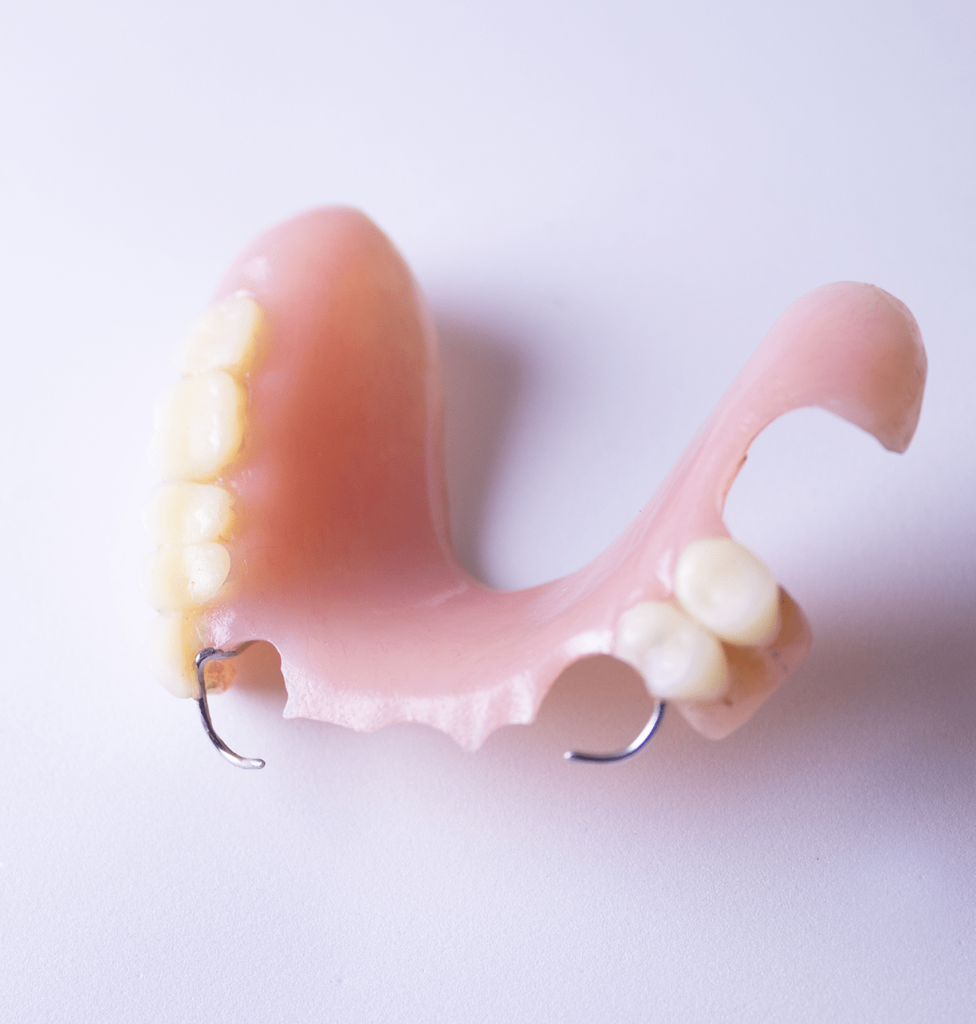
Partial dentures are designed to fit around the remaining natural teeth. They may use small clasps or precision attachments to hold them in position.
The fit is adjusted during the denture design process and follow-up appointments, which are intended to support function and comfort. Regular dental visits allow changes to be made if gums or supporting teeth shift over time, helping to maintain a stable fit.
How many hours should you wear partial dentures each day?
Many people wear their partial dentures during the day and take them out at night. This approach allows the gums and oral tissues to rest and may reduce the risk of irritation.
The number of hours a denture is worn can vary, particularly during the adjustment period. A dental professional can provide advice about wear times that are appropriate for your individual needs.
What are the disadvantages of partial dentures?
Partial dentures may help with replacing missing teeth, but they also have some potential drawbacks:
- Adjustment period:
It can take time to get used to speaking and eating with partial dentures, and some people experience minor discomfort at first. - Maintenance needs:
They require daily cleaning to support hygiene and reduce plaque build-up around teeth and gums. - Possible irritation:
Some people may develop sore spots or gum irritation, particularly during the early weeks of wear. - Less stability than other options:
Because they are removable, partial dentures may feel less secure compared to fixed options such as bridges or implants. - Wear over time:
Denture materials can wear down, which may lead to changes in fit and the need for adjustments.
Regular dental reviews are recommended to check fit, function, and overall oral health.
What is the average cost of partial dentures?
The cost of partial dentures in Mandurah can vary. In many cases, the price may range from about $1,600 to $3,800, depending on individual circumstances.
For some patients, partial dentures may be considered an affordable partial denture option compared with alternatives such as implants.
Several factors can influence the total cost:
- Materials used:
Metal frameworks are generally more durable than acrylic and often cost more due to fabrication requirements. - Number of teeth replaced:
Replacing more teeth usually increases material and laboratory costs. - Denture design:
Features such as clasps or precision attachments can add to the price. - Customisation level:
Detailed shaping and colour matching may influence the overall cost. - Additional procedures:
Extractions or adjustments to existing teeth may increase the final cost.
Some health funds provide cover for partial dentures, depending on the policy. A dental professional can give you a personalised estimate after assessment.
Can you get partial dentures without back teeth?
Partial dentures may be designed to replace missing back teeth, including molars and premolars. These teeth play an important role in chewing and supporting bite alignment.
The suitability of this option depends on individual factors such as gum health, bone structure, and remaining natural teeth. A dental professional can assess these factors and advise on the most appropriate design.
How many appointments are needed for partial dentures?
The process for custom dentures for missing teeth usually involves several appointments. First, your dental professional takes impressions and measurements of your mouth.
At the try-in appointment, your provider checks the fit and appearance and makes any needed adjustments.
The dental team then fits the completed dentures and may schedule additional visits for refinements. The exact number of appointments varies, depending on your oral health, the denture design, and whether you need any other treatments before fitting.
How do I clean my partial dentures?
Proper care supports the function and condition of removable partial dentures in Mandurah. Many people follow these daily steps:
- Remove and rinse:
Take out the dentures after meals and rinse them under running water to clear food particles. - Brush gently:
Use a soft-bristle denture brush and a non-abrasive cleaner to clean all surfaces. Do not use regular toothpaste, because it can scratch. - Clean your mouth:
Brush your gums, tongue, and remaining teeth to support oral hygiene. - Soak overnight:
Place the dentures in a soaking solution or plain water overnight to keep them moist and help maintain their shape. - Rinse before wearing:
Rinse thoroughly before putting the dentures back in your mouth.
Your dental professional can suggest products and techniques for your type of denture. They may also recommend having dentures checked and professionally cleaned at least once a year.
What happens if I don’t wear my partial denture?
If you do not wear your partial denture, you may notice some changes over time. Possible effects include:
- Shifting teeth:
Remaining teeth may move into gaps, which can affect bite and alignment. - Chewing difficulties:
Gaps from missing teeth can make it harder to eat a wide variety of foods. - Speech changes:
Some people find it harder to pronounce certain words when spaces are present. - Jaw strain:
Uneven biting forces may place extra pressure on the jaw joints and muscles. - Bone changes:
Areas without teeth may gradually lose bone support.
A dental professional can review your situation and give individual advice about how wearing or not wearing a denture may affect your oral health.
Making Denture Care Affordable with Flexible Payment Options
Payment options include health fund claiming, instalment plans, and approved government programs. Details vary, and eligibility is explained to patients before treatment begins.
HBF
HBF members can claim approved denture services at the clinic through HICAPS on the day of treatment. The amount covered depends on the member’s level of health fund cover. Services that may be included are dentures, relines, or adjustments listed by HBF.
Medibank
Medibank members can claim selected denture services using HICAPS at their appointment. The contribution made depends on the member’s level of health fund cover. Services such as dentures, relines, or adjustments may be included if they are part of Medibank’s approved schedule.

Afterpay
Afterpay is a payment service that divides the total cost into four fortnightly instalments. The first payment is made at the appointment. Terms and conditions are set by Afterpay, and eligibility applies to patients who wish to use this option.
DVA
DVA Gold Card holders may be eligible for denture treatment that is clinically required. White Card holders may qualify if the care relates to an accepted condition. Services provided depend on the Department of Veterans’ Affairs schedule, and some items may need prior approval.

CPDSS
The Country Patients Dental Subsidy Scheme (CPDSS) may assist rural or remote patients with denture treatment. An Authority Form is required, and services must meet WA Country Health rules. Eligible items may include denture fittings, relines, or follow-up appointments within the scheme’s limits.
We provide a clear treatment quote at your free consultation — no surprises.